
Pest Control Services Westchester
Don’t let pests take over your home or business. Whether you’re dealing with ants, roaches, termites, rodents, or mosquitoes — our licensed team is ready to solve your pest problems fast and keep them from coming back.
About Us
Why Pests in Westchester, FL Are a Year-Round Problem
With Florida’s warm, humid climate, pest activity never truly stops. From rainy season infestations to dry season invasions, your property is constantly at risk. Our local experts understand the patterns and know how to protect your home — inside and out.
305-506-1592
Emergency Call
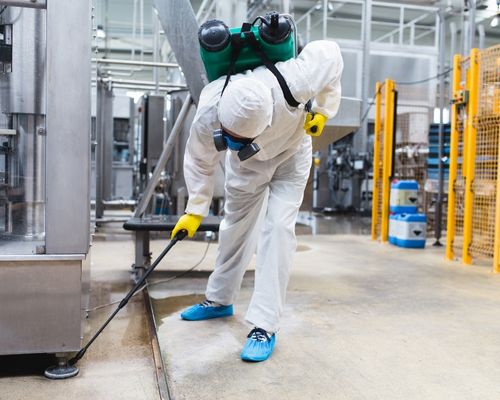
Years of Pest Control Expertise.
" Don't worry about Pests, we will fix it. Trust us! "
Our Services
What We Do Best
Residential Pest Control
Custom plans for single-family homes, condos, and apartments. Ants, roaches, spiders, and more — gone.
Commercial Pest Solutions
Discreet, effective protection for restaurants, offices, warehouses, and retail spaces.
Rodent Control & Exclusion
We trap, remove, and seal out rats and mice — no poison, no guesswork.
Mosquito Treatment
Yard sprays and barrier systems to reduce mosquito populations instantly.
Locations
Areas Served
Licensed & Insured Technicians
Fast Response Times
Eco-Friendly Treatment Options
Preventative Plans Available
5-Star Rated Locally
Satisfaction Guaranteed
Satisfied Customer
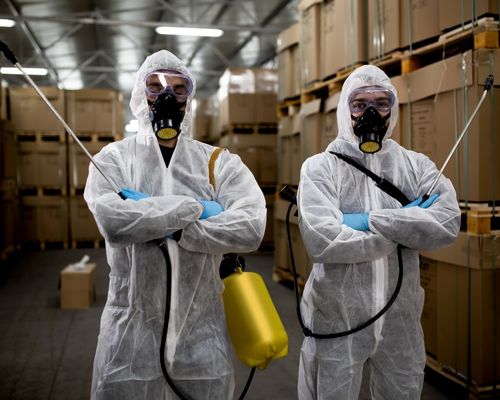



How We Work
We Prioritize Your Peace of Mind
From first contact to final follow-up, our mission is simple — deliver fast, effective, and stress-free pest control that puts your safety and satisfaction first.
01.
Free Inspection Your Area
We evaluate your home or business at no cost — identifying pests, entry points, and risks.
02.
Targeted Treatment & Fast Action
Our licensed technicians apply eco-safe, industry-proven treatments tailored to your pest problem.
03.
Ongoing Monitoring & Prevention
We don’t just eliminate pests — we help you keep them out for good through scheduled checkups and support.
Effective Pest Control in Westchester, FL: Methods, Deterrents, and Safety Tips
Pest control is essential for maintaining a safe and healthy environment in both residential and commercial spaces. Pests can damage property, spread diseases, and disrupt daily life. Understanding various pest control methods, deterrents, and safety measures ensures that you can tackle infestations effectively while preserving the health of humans, pets, and the environment.
Effective Westchester Mosquito Control Methods and Solutions
- Chemical Pest Control
Chemical treatments involve the use of pesticides or insecticides to eliminate pests. These can be applied as sprays, powders, or baits. While effective in targeting insects like ants, cockroaches, or termites, chemical methods should be used with caution due to potential health risks. - Biological Pest Control
This eco-friendly method uses natural predators or microorganisms to control pest populations. For example: - Ladybugs can help reduce aphid populations in gardens.
- Parasitic wasps target specific pests like caterpillars. Biological controls are sustainable but require careful planning to avoid unintended environmental consequences.
- Physical Pest Control
Physical barriers or traps are used to prevent pests from entering an area or capturing them once present: - Examples include rodent traps, sticky boards for insects, or mesh screens on doors and windows. Physical methods are often non-toxic but may require consistent maintenance.
- Cultural Controls
These involve modifying human practices to reduce the likelihood of infestations: - Proper waste management.
- Regular cleaning routines.
- Eliminating standing water where mosquitoes breed.
Effective Deterrents for Common Pests
- Seal all entry points like cracks in walls and foundations.
- Store food in airtight containers.
- Use ultrasonic deterrents if necessary.
- Keep kitchen counters clean and free of crumbs.
- Regularly empty trash bins with lids securely closed.
- Apply diatomaceous earth around entryways as a natural repellent.
- Remove stagnant water sources such as birdbaths or clogged gutters.
- Install window screens and use mosquito-repellent plants like lavender or citronella.
Safety Tips When Using Pest Control Measures
| Method | Safety Recommendations |
| Chemical Treatments | Wear gloves and masks when applying products; follow manufacturer instructions closely |
| Physical Barriers/Traps | Place traps out of reach of children and pets |
| Biological Controls | Research compatibility between predators/prey before releasing them |
Additional guidelines include storing all pesticides securely away from children’s access points and ensuring proper ventilation during application processes.
Balancing Efficacy with Environmental Responsibility
Choosing the right pest control method involves balancing effectiveness with environmental sustainability: – Opt for biological or physical options whenever feasible. – Minimize over-reliance on chemical solutions by integrating preventive measures such as sanitation habits into daily routines.
By combining multiple methods thoughtfully while prioritizing safety precautions above all else ensures long-term prevention against future infestations without compromising overall well-being.
Comprehensive Guide to Pest Control in Westchester, FL: Methods and Strategies
When it comes to managing pests, there are several approaches that homeowners and businesses can adopt. Each method varies in its application, effectiveness, and impact on the environment. Understanding the differences between chemical, physical, and biological pest control methods ensures informed decisions tailored to specific pest challenges.
Effective Westchester Pest Control Solutions
Chemical pest control involves using pesticides or chemical agents to eliminate or deter pests. This method is widely used due to its efficiency in eradicating infestations quickly.
Examples of Chemical Control Methods:
– Insecticides: Target insects such as flies, ants, cockroaches, and mosquitoes.
– Rodenticides: Designed to manage rodents like mice and rats.
– Herbicides: Primarily used for controlling weeds that act as habitats for certain pests.
Advantages:
– Quick action against a wide range of pests.
– Suitable for large areas where infestations are severe.
Limitations:
– Potential health risks when misused (e.g., respiratory issues).
– Non-target species can also be affected, harming beneficial organisms like bees or earthworms.
– Long-term environmental consequences due to chemical residue buildup.
Safety Tip: Always use pesticides according to manufacturer guidelines and consider consulting licensed professionals for proper application.
Effective Physical Methods for Rodent Control in Westchester, FL
Physical methods involve using barriers or manual actions to remove pests from an area without relying on chemicals.
Examples Include:
– Traps: Snap traps or sticky traps are effective for rodents and insects like spiders or flies.
– Barriers: Mesh screens on windows prevent insects from entering homes or buildings. – Temperature Regulation: Techniques like heat treatment are often employed to eliminate bed bugs in furniture or mattresses.
| Advantages | Limitations |
| Environmentally safe | Labor-intensive |
| Minimal impact on non-target species | Less effective for large-scale infestations |
This method is ideal for smaller spaces and situations where minimizing chemical residue exposure is important.
Effective Biological Pest Control Methods by an Exterminator Westchester
Biological control relies on natural predators or biological agents to suppress pest populations sustainably.
Common Biological Approaches:
- Predatory Insects: Introducing ladybugs to control aphids on crops.
- Parasitoids: Wasps that lay eggs inside insect hosts (e.g., caterpillars), killing them over time.
- Microbial Agents: Using bacteria such as Bacillus thuringiensis (Bt) against mosquito larvae.
Benefits of Biological Control:
- Eco-friendly with no harmful residues left behind.
- Promotes biodiversity by maintaining a balance within ecosystems.
Challenges:
While effective over time, this approach requires patience—results may take weeks or months depending on the pest lifecycle and environment conditions.
Effective Termite Control in Westchester, FL: Choosing the Right Method
Selecting a pest control technique depends on factors such as: 1. The type of pest involved (e.g., insects vs rodents).
2. The severity of the infestation—light versus heavy populations may demand different strategies. 3. Environmental concerns—opting for eco-friendly alternatives whenever possible is crucial in maintaining sustainability.
By understanding these core methods within pest control practices—chemical treatments for immediate action, physical barriers for prevention, and biological solutions fostering long-term balance—you can make informed choices about protecting your space effectively while prioritizing safety and sustainability.
Comprehensive Pest Control Methods: Insights from a Westchester Exterminator
Implementing pest control strategies is essential for maintaining a healthy environment in homes, businesses, and agricultural settings. Each method—chemical, physical, and biological—offers distinct advantages depending on the type of pest, the scale of infestation, and environmental considerations. Below is a detailed exploration of these methods to help you understand their application and benefits.
Chemical Pest Control
Chemical pest control relies on the use of pesticides to eliminate pests or disrupt their life cycles. This method is highly effective for targeting specific infestations but requires careful handling due to potential risks to human health and the environment.
Common Types of Pesticides
– Insecticides: Target insects such as ants, cockroaches, mosquitoes, and termites.
– Herbicides: Used to manage weeds that can harbor pests or compete with crops for nutrients.
– Rodenticides: Formulated specifically for rodents like rats and mice.
– Fungicides: Combat fungal growth that can damage plants or stored food products.
Key Considerations When Using Chemicals
1. Always follow label instructions to ensure proper application rates and minimize risks. 2. Use protective gear such as gloves, masks, and goggles during handling. 3. Avoid spraying near food preparation areas or water sources. 4. Store chemicals out of reach of children and pets.
While chemical methods are potent tools in pest management, overuse can lead to pesticide resistance in pests as well as negative environmental impacts like water contamination.
Physical Pest Control
Physical pest control involves using mechanical tools or barriers to prevent or remove pests from an area without relying on chemicals. This approach is particularly useful when aiming for minimal environmental impact.
Examples of Physical Methods – Traps: Effective for capturing rodents (snap traps) or insects (sticky traps). – Barriers: Installing screens on windows or sealing cracks in walls prevents entry points for pests. – Temperature Manipulation: Heat treatments can eliminate bed bugs while freezing temperatures may kill certain stored product pests. – Manual Removal: Hand-picking larger pests like caterpillars off plants is a simple yet effective technique.
This method requires vigilance but provides eco-friendly solutions suitable for both indoor and outdoor environments.
Biological Pest Control
Biological control uses natural predators, parasites, or pathogens to suppress pest populations without harming non-target organisms. This sustainable approach integrates well into long-term pest management plans.
Examples of Biological Agents | Agent Type | Examples | Target Pests | |———————-|——————————-|————————| | Predators | Ladybugs | Aphids | | Parasitoids | Parasitic wasps | Caterpillars | | Pathogens | Bacillus thuringiensis (Bt) | Mosquito larvae |
Benefits of Biological Control – Reduces reliance on synthetic chemicals. – Safe for humans and beneficial species like pollinators. – Cost-effective over time due to self-regulating predator-prey relationships.
Implementing biological controls may take longer than chemical methods but yields more sustainable results with fewer ecological consequences.
Choosing the Right Method
The selection between chemical, physical, and biological pest control depends on factors such as: – The type(s) of pests present. – Severity of infestation. – Desired speed of results. – Environmental concerns and safety priorities.
Where possible, integrating multiple approaches—known as Integrated Pest Management (IPM)—can maximize efficacy while minimizing harm to people and ecosystems. Combining methods allows you to tackle infestations strategically while promoting long-term prevention efforts through monitoring and maintenance practices.
By understanding the strengths and limitations of each method outlined above, individuals can make informed decisions when addressing various types of pest problems effectively and responsibly.
Understanding the Pest Control Solutions Provided by Terminix Westchester, FL
Pests can significantly disrupt homes, businesses, agricultural operations, and ecosystems. Understanding the types of pests and their environmental impact is essential for implementing effective pest control measures. Below is an overview of common pest categories and how they affect their surroundings.
Common Types of Pests
- Examples: Termites, ants, cockroaches, mosquitoes, flies.
- Damage to property (e.g., termites destroying wood).
- Spread of diseases (e.g., mosquitoes transmitting malaria or dengue).
- Contamination of food supplies (e.g., flies spreading bacteria).
- Examples: Rats, mice.
- Destruction of stored food products due to gnawing and contamination.
- Transmission of diseases such as leptospirosis or hantavirus.
- Structural damage caused by chewing electrical wires or insulation materials.
- Examples: Raccoons, squirrels, birds like pigeons or crows.
- Nesting in inappropriate areas such as attics or chimneys can cause obstructions or fire hazards.
- Droppings may pose health risks by spreading pathogens like histoplasmosis from bird feces.
- Examples: Beetles, weevils, moths found in grains and dried goods.
- Infestation leads to spoilage and financial losses in food industries.
- Contamination reduces product quality.
- Examples: Aphids, scale insects, caterpillars.
- Impact:
- Weaken plants by sucking sap or feeding on leaves.
- Lower agricultural productivity through crop damage.
Environmental Impacts of Pest Infestations
- Damage to Ecosystems: Overpopulation of certain pests can harm biodiversity by outcompeting native species for resources.
- Food Chain Disruption: Some pests prey on other beneficial organisms essential to maintaining ecological balance (e.g., predatory insects that control other pests).
- Agriculture Effects: Crop-eating pests reduce yields which may result in economic instability and increased use of chemical pesticides that affect the environment.
| Pest Type | Primary Damage | Example Species |
| Insects | Property damage & disease | Termites, cockroaches |
| Rodents | Food contamination & disease | Rats, mice |
| Wildlife Pests | Nesting & structural issues | Squirrels, raccoons |
| Stored Product Pests | Food spoilage | Grain beetles |
| Plant-Specific Pests | Agricultural losses | Aphids |
Managing Pest Impacts
- Conduct regular inspections at home or business premises for signs of infestation.
- Use integrated pest management (IPM) strategies that combine chemical controls with preventive actions like sealing entry points.
- Promote biodiversity by encouraging natural predators such as birds or beneficial insects like ladybugs.
Understanding the specific threats posed by different types of pests allows homeowners and businesses to take timely action before infestations escalate into larger issues affecting health and property value effectively preventing long-term damages from occurring while mitigating broader environmental risks associated
Effective Mosquito Control in Westchester, FL to Protect Your Home or Business
Preventing pests from invading your home or business is a practical, proactive approach to maintaining a healthy and comfortable environment. Below, we explore effective strategies to deter pests and safeguard your property.
Identify Common Pest Risks
- Rodents: Mice and rats can damage property and contaminate food supplies.
- Insects: Termites, ants, cockroaches, and bed bugs can infest homes and cause structural damage or health issues.
- Wildlife: Raccoons, squirrels, and birds may disrupt outdoor spaces or nesting areas.
By identifying the types of pests you’re likely to encounter, you can customize your prevention methods more effectively.
Practical Pest Prevention Tips
- Repair cracks in walls, windows, doors, or foundations.
- Install weather stripping and door sweeps to block gaps.
- Keep kitchen surfaces clean from crumbs or spills.
- Store food in airtight containers.
- Dispose of garbage regularly.
- Fix leaks in pipes or faucets promptly.
- Ensure rain gutters are clear of debris.
- Avoid leaving water-filled containers outside for prolonged periods.
- Trim tree branches that touch your home’s exterior to prevent easy access for pests like ants or squirrels.
- Store firewood away from your building’s foundation.
- Regularly mow lawn areas and remove weeds where pests might hide.
Natural Deterrents
| Pest Type | Natural Deterrent | Application Method |
| Ants | Citrus peels | Place near entry points |
| Mosquitoes | Lavender or citronella | Use as essential oils or plant them around windows |
| Moths | Cedarwood | Add cedar blocks to closets |
| Rodents | Peppermint oil | Dab onto cotton balls near openings |
These measures are both cost-effective and safe for families with children or pets.
Professional Assistance When Needed
While preventive measures are essential, some pest problems require professional intervention—especially if infestations persist despite efforts at control. Pest control professionals offer services that include:
– Advanced inspections to locate hidden nests or colonies.
– Safe application of pesticides tailored to specific pest types.
– Ongoing monitoring programs for long-term prevention.
Opting for professional help ensures you address larger-scale problems efficiently while minimizing potential risks associated with improper pest management techniques.
By combining vigilance with evidence-based strategies outlined above, you can create an inhospitable environment for most pests while protecting your property from potential damage over time.