
Pest Control Services Bay Harbor Islands
Don’t let pests take over your home or business. Whether you’re dealing with ants, roaches, termites, rodents, or mosquitoes — our licensed team is ready to solve your pest problems fast and keep them from coming back.
About Us
Why Pests in Bay Harbor Islands, FL Are a Year-Round Problem
With Florida’s warm, humid climate, pest activity never truly stops. From rainy season infestations to dry season invasions, your property is constantly at risk. Our local experts understand the patterns and know how to protect your home — inside and out.
305-506-1592
Emergency Call
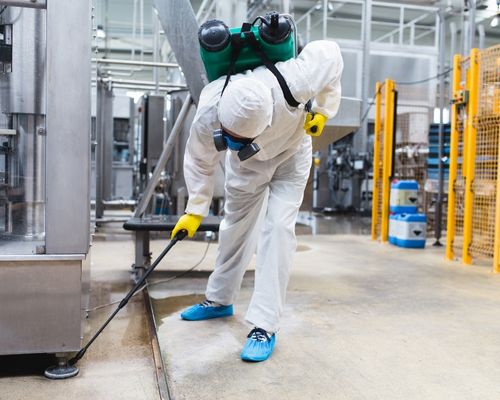
Years of Pest Control Expertise.
" Don't worry about Pests, we will fix it. Trust us! "
Our Services
What We Do Best
Residential Pest Control
Custom plans for single-family homes, condos, and apartments. Ants, roaches, spiders, and more — gone.
Commercial Pest Solutions
Discreet, effective protection for restaurants, offices, warehouses, and retail spaces.
Rodent Control & Exclusion
We trap, remove, and seal out rats and mice — no poison, no guesswork.
Mosquito Treatment
Yard sprays and barrier systems to reduce mosquito populations instantly.
Locations
Areas Served
Licensed & Insured Technicians
Fast Response Times
Eco-Friendly Treatment Options
Preventative Plans Available
5-Star Rated Locally
Satisfaction Guaranteed
Satisfied Customer



How We Work
We Prioritize Your Peace of Mind
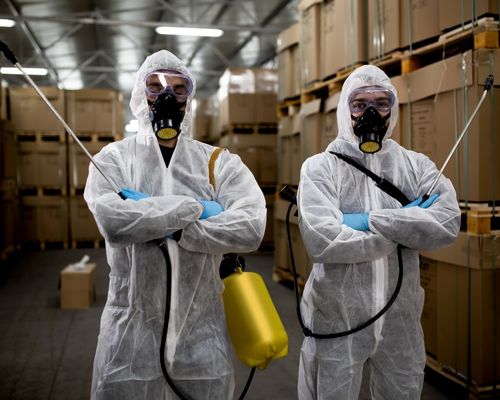
From first contact to final follow-up, our mission is simple — deliver fast, effective, and stress-free pest control that puts your safety and satisfaction first.
01.
Free Inspection Your Area
We evaluate your home or business at no cost — identifying pests, entry points, and risks.
02.
Targeted Treatment & Fast Action
Our licensed technicians apply eco-safe, industry-proven treatments tailored to your pest problem.
03.
Ongoing Monitoring & Prevention
We don’t just eliminate pests — we help you keep them out for good through scheduled checkups and support.
Preparing Your Home for Effective Pest Control in Bay Harbor Islands, FL
Preparing your home before a pest control visit is essential to ensure effective treatment and minimize any disruptions. Proper preparation allows the pest control professional to do their job efficiently while also ensuring the safety of you, your family, and your belongings. Below are steps you can take to prepare your home for a successful pest control visit.
Declutter Key Areas
Clearing clutter from areas where pests are often found or where treatment will be applied is crucial. Pests tend to hide in spaces that are dark and undisturbed, such as under furniture or in closets.
Here’s what you can focus on:
– Move furniture slightly away from walls to give technicians access to baseboards and corners.
– Remove items like shoes, toys, or other personal belongings from floors in areas that need treatment. – Clear countertops of appliances or utensils if the kitchen is being treated for food-related pests like ants or cockroaches.
Clean Beforehand
A clean home enhances the effectiveness of pest control treatments. By eliminating visible food particles and debris, fewer obstacles remain for pest professionals targeting infestations.
Things to clean:
– Sweep and vacuum floors thoroughly to remove crumbs that attract pests. – Wash dishes and empty trash bins before the visit. – Remove any grease buildup near stoves, sinks, or kitchen surfaces that provide a food source for roaches or ants.
Secure Food Items
To prevent contamination during pest control treatments:
– Store all food items in sealed containers or remove them temporarily from treated areas. – Cover pet food bowls and water dishes securely. Consider placing them outside until after the visit.
Protecting Pets and Children
Pets and children require special care during pest control treatments as they may come into contact with treated areas.
Steps include:
1. Arrange for pets to stay off-site (e.g., with a friend) during treatment if possible, especially if chemical sprays will be applied. 2. Ensure children’s toys are stored away safely. 3. Cover aquariums tightly with plastic wrap if they can’t be relocated; turn off air pumps temporarily.
Provide Access Points
Pest control professionals need access to certain areas of your home where pests commonly hide or breed. Make their job easier by ensuring these spaces are accessible:
| Area | Example Tasks |
|———————-|———————————————|
| Kitchen | Clear cabinets under sinks; move appliances.|
| Bathrooms | Remove objects under bathroom vanities. |
| Storage Spaces/Attics| Declutter boxes; open up crawl spaces/attics.|
Remember to discuss any problem areas you’ve identified beforehand so technicians can prioritize those zones.
Communicate Specific Concerns
Before the scheduled visit, make sure you share details about pests you’ve noticed and their activity patterns (e.g., time of day they’re most visible). This information helps tailor treatments more effectively.
Some key points worth discussing include:
– How long have you noticed the infestation?
– Are there particular entry points (e.g., cracks in windows)?
– Have DIY remedies been attempted previously?
By sharing observations about pest behavior in advance, professionals can better target their approach.
Proper preparation not only ensures that treatments work effectively but also protects your household’s health and safety throughout the process.
Key Steps to Take After a Pest Control Bay Harbor Islands Treatment for Maximum Effectiveness
After undergoing a pest control treatment, your actions can significantly impact its success and the long-term results. Ensuring the treatment is effective requires careful planning and adherence to best practices. Below are essential steps to take after a pest control visit.
Allow Treated Areas to Dry After Pest Control in Bay Harbor Islands, FL
Post-treatment, it is critical to give treated surfaces adequate time to dry before resuming normal activities. Pesticides or other control agents need this drying period to become fully effective.
- Avoid touching or cleaning treated surfaces until they are completely dry.
- Follow recommendations provided by your pest control professional regarding re-entry times for specific areas of your home.
- Keep children and pets away from lawns, gardens, or patios that have been treated until drying is complete.
Effective Bay Harbor Islands Pest Control: Ventilate Your Home
Proper ventilation after treatment helps remove any remaining odors or vapors from pesticides used during the process.
- Open windows and doors for several hours if it’s safe to do so.
- Use fans or ventilation systems in enclosed areas to circulate air efficiently.
Essential Tips for Effective Rodent Control Bay Harbor Islands, FL
It may be tempting to thoroughly clean your home following a pest treatment, but doing so prematurely can reduce the effectiveness of the products applied.
- Avoid mopping floors and vacuuming carpets in treated areas for at least a week unless instructed otherwise by your technician.
- Clean only non-treated areas during this waiting period.
- Wipe down kitchen counters and food preparation surfaces if explicitly recommended but avoid disturbing any residual treatments around baseboards or cracks where pests are likely targeted.
Effective Ways an Exterminator Bay Harbor Islands Can Monitor Pest Activity
After treatment, you may still notice occasional pest activity—even dead pests—depending on the severity of the original infestation. This does not indicate failure but rather shows that the products are working effectively.
- Keep an eye on commonly affected areas like kitchens, bathrooms, or basements.
- Note ongoing activity levels; an initial increase in sightings may occur as pests emerge from hiding places before dying.
- Notify your pest control provider if heavy activity persists beyond a couple of weeks as it might warrant follow-up treatment.
Effective Tips for Termite Control Bay Harbor Islands, FL: Seal Entry Points and Prevent Access
Common Entry Points:
| Area | Action Needed |
| Gaps around windows | Install weatherstripping or caulk gaps |
| Underdoors | Add door sweeps |
| Cracks in walls | Seal with appropriate filler material |
| Air vents | Cover with fine mesh screens |
Taking these proactive measures supports long-term protection against pests re-entering treated spaces.
6. Store Food Safely to Avoid Calling a Bay Harbor Islands Exterminator
- Replace any contaminated food items with fresh supplies stored properly in airtight containers.
- Inspect pantries regularly for evidence of pests such as droppings or chewed packaging.
These precautions help reduce temptations for future infestations while promoting cleanliness across food storage zones within homes/kitchens/houses .
Let the Mosquito Control Bay Harbor Islands, FL Treatment Settle
After pest control services, avoid cleaning treated areas immediately. Most treatments need time to dry and become fully effective. Depending on the type of treatment used, waiting 24-48 hours before cleaning surfaces is often recommended. Be sure to ask your pest control professional for specific guidelines.
Effective Bay Harbor Islands Mosquito Control: Ventilate Your Home
Proper ventilation helps remove any residual fumes or odors from pesticides used during treatment. Open windows and doors in rooms that were treated and turn on fans if necessary. This step is especially important if you or anyone in your household is sensitive to strong smells.
1. Avoid Touching Treated Areas
While it might be tempting to inspect areas where pests were spotted, avoid touching pesticidal sprays, dusts, or traps set up by professionals. This ensures safety for your household and prevents accidental disruption of these treatments.
2. Monitor Pest Activity
Post-treatment, you may notice an increase in pest activity before it decreases altogether. This happens because pests are being driven out of hiding spots due to the pesticides applied.
What should you do?
– Keep track of visible pests using a log or notebook. – Communicate with your pest control provider if activity persists beyond their estimated timeline.
| Timeframe | Expected Activity Level |
| 1-2 Days After Treatment | Increased visibility of pests |
| 3-7 Days After Treatment | Gradual decline in activity |
| Beyond 7 Days | Minimal or no pest sightings |
3. Deep Clean Only When Advised
Cleaning treated spaces prematurely can reduce the effectiveness of pest control products that require time to work effectively (e.g., sprays and powders). Focus on areas not directly treated like bathrooms and isolated parts of your home until advised otherwise by a professional.
If deep cleaning is necessary:
– Use gloves and masks. – Avoid washing walls near treated cracks or crevices.
4. Secure Food Storage Areas
Double-check food storage spaces like pantries and cabinets for contamination risks after treatment:
– Dispose of exposed food items. – Store open food packages in airtight containers moving forward.
This reduces chances for reinfestation and keeps your household safe.
5. Repair Entry Points
Post-treatment is an ideal time to address structural vulnerabilities that allow pests into your home:
– Seal cracks around doors and windows with caulk. – Repair damaged screens or doorframes. – Install door sweeps where necessary.
By physically barring entry points, you can prevent future infestations more effectively.
6. Keep Pets Safe
Wait until all pesticide residues have dried before allowing pets back into treated areas:
– Wash pet bedding or toys exposed during treatment. – Monitor their behavior post-treatment for any unusual reactions.
For households with aquariums, ensure they are covered during treatment and check water quality afterward if required.
By following these steps carefully, homeowners can make sure their investment in professional pest control delivers long-term results while ensuring the safety of everyone in the household—including pets!
The Importance of Confined Pets During a Pest Control Visit to Ensure Efficiency
When preparing for a pest control treatment, one critical aspect often overlooked is ensuring the safety and confinement of pets. Properly managing pets during a pest control visit not only ensures their well-being but also enhances the overall effectiveness of the treatment. Here’s why confining pets is essential and how you can do so effectively.
Why Pet Confinement Matters
- Safety of Your Pets:
Pesticides and other pest control products, even when used responsibly, may pose risks to animals if ingested or inhaled. Pets are naturally curious and may come into contact with treated areas, putting them at risk of harm. - Uninterrupted Treatment Process:
Pets roaming freely during a pest control session can disrupt technicians as they apply treatment. This could lead to missed areas or uneven application, reducing the efficiency of the pest control process. - Prevention of Cross-Contamination:
Pets that come into contact with treated surfaces could carry pesticide residues on their fur or paws, potentially transferring it to furniture, carpets, or even humans in your home. - Stress Reduction for Pets:
The presence of unfamiliar people and unusual smells can be stressful for animals. Confined pets are less likely to feel anxious compared to those left free to wander during the procedure.
Steps for Confining Pets During Pest Control
- Designate a Safe Area:
Identify a room or space in your home that will not be treated during the pest control visit (e.g., a garage or spare bedroom). Ensure this area has adequate ventilation and provides comfort for your pet. - Use Crates or Carriers:
If space is limited, place smaller animals like cats, rabbits, or small dogs in secure carriers lined with familiar bedding to keep them calm. - Consider Temporary Boarding:
For larger animals or homes undergoing extensive treatments (e.g., fumigation), consider sending your pets to a boarding facility for the day. - Restrict Outdoor Access:
Even outdoor pets such as dogs kept in yards should be confined away from treated areas like lawns or gardens until it’s safe for them to return.
Safe Reintroduction After Treatment
- Wait until specific re-entry times are provided by your technician before allowing pets back into treated areas.
- Thoroughly clean feeding bowls, litter boxes, and pet bedding that may have been exposed.
- Observe your pet’s behavior closely in case they show signs of adverse reactions (e.g., excessive licking, drooling).
| Pet Type | Recommended Action During Pest Control | Additional Tips |
| Cats & Small Dogs | Confine to untreated room; use carriers if necessary | Provide toys/blankets for comfort |
| Large Dogs | Keep outdoors (if untreated) or consider temporary boarding | Verify safe access post-treatment |
| Birds | Remove from home if possible; sensitive respiratory systems | Cover cages if relocation isn’t feasible |
| Fish & Aquatic Animals | Turn off tank filters during spraying; cover tanks securely | Monitor water quality afterward |
Properly confining your pets during a pest control visit safeguards their health while allowing technicians to work efficiently without interruptions. By taking these precautions seriously, you contribute significantly toward achieving long-lasting results from professional pest treatments while ensuring peace of mind about your furry companions’ safety.
Key Reasons to Schedule Regular Pest Control Services Today
Pest control is an essential aspect of maintaining a healthy and comfortable living environment. Scheduling regular pest control services not only helps address existing infestations but also prevents future outbreaks. Below, we delve into the key reasons why regular pest control should be a part of your home or business maintenance plan.
1. Prevention of Infestations
Regular pest control services help in identifying and eliminating potential risks before they escalate into full-blown infestations. Common pests such as rodents, termites, cockroaches, and ants can be difficult to manage once they have established themselves inside your home or workplace. Preventive measures include:
– Routine inspections to detect early signs of pests
– Application of barriers and repellents to keep pests out
– Sealing entry points like cracks, holes, or gaps in walls and windows
By taking proactive steps with scheduled services, you save time and money compared to handling severe infestations later.
2. Health Protection for Your Family or Employees
Pests are known carriers of harmful bacteria, allergens, and diseases. For example:
| Pest Type | Associated Health Risks |
|——————–|——————————————|
| Rodents | Hantavirus, Salmonella |
| Cockroaches | Asthma triggers, E.coli |
| Mosquitoes | Dengue fever, Malaria |
Regular pest control treatments reduce the chance of exposure to these health hazards by keeping pest populations under control.
3. Preservation of Property
Certain pests can cause significant damage to your property if left unchecked. Termites and carpenter ants can weaken structural components; rats may chew through electrical wiring; and silverfish often destroy books, paper products, or fabrics. The cost of repairing these damages far outweighs routine pest management expenses.
Key benefits include:
– Protection against termite infestations that can compromise wooden structures
– Prevention of rodent damage to insulation and wiring systems
– Reduction in wear-and-tear caused by insects nesting in household items
4. Cost Efficiency Over Time
While some homeowners may hesitate about recurring service costs, regular pest control actually proves more cost-effective over time compared to sporadic treatments during emergencies:
1. Preventive care decreases the likelihood of expensive repairs caused by structural damage or contamination issues. 2. Scheduled maintenance allows professionals to use targeted solutions rather than heavier chemical interventions needed for major outbreaks.
5. Peace of Mind
Knowing that professionals are actively monitoring your property for signs of pests brings peace of mind that no DIY solution can offer. Professional pest controllers are equipped with industry-grade tools and experience required for long-term results while ensuring safety for people and pets alike.
Incorporating regular pest control services into your maintenance routine is not just about eliminating nuisances; it’s about safeguarding health, property value, finances, and overall well-being over the long haul.