
Pest Control Services Hialeah
Don’t let pests take over your home or business. Whether you’re dealing with ants, roaches, termites, rodents, or mosquitoes — our licensed team is ready to solve your pest problems fast and keep them from coming back.
About Us
Why Pests in Hialeah Are a Year-Round Problem
With Florida’s warm, humid climate, pest activity never truly stops. From rainy season infestations to dry season invasions, your property is constantly at risk. Our local experts understand the patterns and know how to protect your home — inside and out.
305-506-1592
Emergency Call
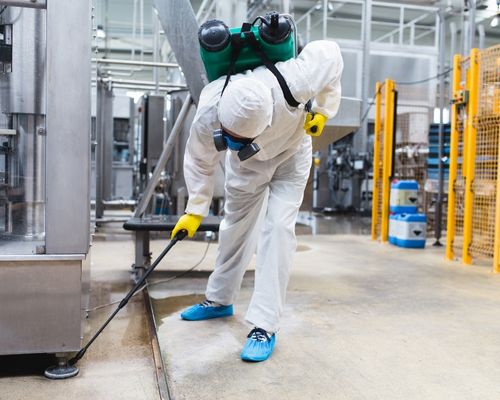
Years of Pest Control Expertise.
" Don't worry about Pests, we will fix it. Trust us! "
Our Services
What We Do Best
Residential Pest Control
Custom plans for single-family homes, condos, and apartments. Ants, roaches, spiders, and more — gone.
Commercial Pest Solutions
Discreet, effective protection for restaurants, offices, warehouses, and retail spaces.
Rodent Control & Exclusion
We trap, remove, and seal out rats and mice — no poison, no guesswork.
Mosquito Treatment
Yard sprays and barrier systems to reduce mosquito populations instantly.
Locations
Areas Served
Licensed & Insured Technicians
Fast Response Times
Eco-Friendly Treatment Options
Preventative Plans Available
5-Star Rated Locally
Satisfaction Guaranteed
Satisfied Customer
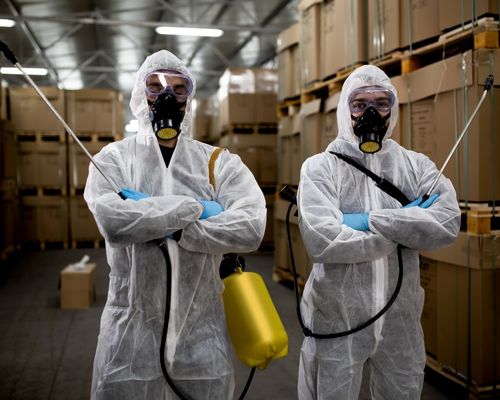
How We Work
We Prioritize Your Peace of Mind
From first contact to final follow-up, our mission is simple — deliver fast, effective, and stress-free pest control that puts your safety and satisfaction first.
01.
Free Inspection Your Area
We evaluate your home or business at no cost — identifying pests, entry points, and risks.
02.
Targeted Treatment & Fast Action
Our licensed technicians apply eco-safe, industry-proven treatments tailored to your pest problem.
03.
Ongoing Monitoring & Prevention
We don’t just eliminate pests — we help you keep them out for good through scheduled checkups and support.
Comprehensive Overview of Pest Control in Hialeah, FL: Types and Effective Methods Explained
Pest control plays a vital role in maintaining a clean, healthy, and safe environment. Various pest control methods are available, each tailored to specific types of pests and levels of infestation. Below is a comprehensive overview of the main pest control strategies commonly used by homeowners and professionals alike.
1. Physical Pest Control
Physical methods involve creating barriers or using mechanical techniques to remove or prevent pests from entering your home or property. This approach is particularly effective against rodents, insects, and birds.
- Using traps (e.g., mouse traps, sticky traps)
- Installing screens on doors and windows
- Sealing cracks and crevices in walls
- Using ultrasonic pest repellents
Physical methods are often non-toxic and environmentally friendly but may require regular monitoring to ensure effectiveness.
2. Chemical Pest Control
Chemical pest control relies on pesticides or insecticides to eliminate pests efficiently. These substances can be applied as sprays, baits, powders, or granules depending on the situation.
- Common chemical pest control applications:
| Type of Chemical | Targeted Pests | Application Method | |——————|—————-|———————| | Insecticides | Ants, cockroaches, termites | Sprays or baits | | Rodenticides | Rats, mice | Poisonous baits | | Herbicides | Weeds | Liquid sprays |
While highly effective, chemical pest control must be used cautiously as it can pose risks to human health and the environment.
3. Biological Pest Control
Biological methods use natural predators or parasites to control pest populations without relying on synthetic chemicals. This eco-friendly method is gaining popularity in agricultural settings and urban gardens.
- Introducing ladybugs to combat aphids
- Using nematodes to target soil-dwelling pests
- Encouraging bats for mosquito population control
Biological pest control takes time but is sustainable in the long term when implemented correctly.
4. Cultural Pest Control
Cultural methods focus on modifying environmental conditions that attract pests in the first place. These proactive techniques reduce the likelihood of infestations by creating unfavorable conditions for their survival.
- Proper sanitation (e.g., cleaning food spills promptly)
- Rotating crops in agricultural fields
- Storing food in sealed containers
This method works well when combined with other approaches like physical barriers.
Integrated Pest Management (IPM)
Integrated Pest Management (IPM) combines multiple techniques—physical, chemical, biological—to achieve long-term results while minimizing harm to the environment and non-target species.
Principles of IPM include: – Monitoring pest activity before taking action
– Identifying pests correctly
– Choosing targeted solutions based on severity
– Regularly evaluating outcomes for long-lasting effectiveness
Using IPM ensures balanced solutions that prioritize safety, efficiency, and environmental responsibility.
Comprehensive Guide: Hialeah Pest Control Methods Compared
Method | Advantages | Disadvantages |
Physical | Non-toxic; low environmental impact | May require frequent maintenance |
Chemical | Quick results; effective for large infestations | Potential health/environmental risks |
Biological | Eco-friendly; sustainable | Slower results; specific to certain pests |
Cultural | Preventative; promotes hygiene | Requires time & consistent effort |
Understanding these various options allows homeowners and businesses alike to select a tailored approach that fits their specific needs while ensuring safety and efficacy.
Effective Pest Control Hialeah, FL: Exploring Biological Methods and Their Benefits
Biological pest control is an environmentally friendly approach to managing pest populations using natural predators, parasites, or pathogens. This method minimizes the need for chemical pesticides, promoting a balanced ecosystem while effectively controlling pests. Below, we explore the concept in detail, its methods, and the advantages of implementing biological control strategies.
Understanding Rodent Control Hialeah, FL: What You Need to Know
- Predators: Species that prey on pests (e.g., ladybugs feeding on aphids).
- Parasitoids: Insects that lay their eggs inside or on a host pest, eventually killing it (e.g., certain wasp species targeting caterpillars).
- Pathogens: Microorganisms like bacteria, fungi, or viruses that infect and kill pests (e.g., Bacillus thuringiensis used against caterpillars).
This method focuses on long-term solutions by leveraging natural interactions in ecosystems.
Finding the Best Exterminator Hialeah Offers for Pest Control Solutions
Biological Agent | Target Pests | Description |
Ladybugs | Aphids | Feed on soft-bodied insects like aphids. |
Parasitic Wasps | Caterpillars | Lay eggs inside caterpillars to eliminate them. |
Nematodes | Soil-dwelling pests | Microscopic worms that attack grubs and larvae. |
Bacillus thuringiensis | Caterpillars & moths | Bacteria toxic to specific insect species. |
These agents are often introduced into gardens, farms, or controlled environments to manage specific pest issues effectively.
Effective Termite Control Hialeah, FL: Benefits of Biological Pest Solutions
- Reduces reliance on chemical pesticides.
- Protects water sources from contamination.
- Supports biodiversity by maintaining natural predator-prey relationships.
- Once established, natural enemies can provide ongoing pest suppression with minimal intervention.
- Helps maintain a stable ecosystem over time.
- Poses little to no risk to humans, pets, or beneficial insects like bees.
- Minimizes harmful pesticide residues in crops or soil.
- While initial setup may require investment (e.g., purchasing beneficial insects), long-term costs are often lower compared to repeated chemical treatments.
- Works well when combined with other methods like cultural controls and crop rotation for comprehensive pest management strategies.
Effective Pest Solutions with a Hialeah Exterminator
- Requires time for results as natural enemies establish themselves.
- May not be suitable for large-scale infestations where immediate action is necessary.
- Some level of monitoring is needed to ensure balance within the ecosystem.
For these reasons, biological control is best suited as part of an integrated approach rather than as a standalone solution.
Effective Pest Control Solutions with Terminix Hialeah, FL
- Identify the specific pests causing problems in your area.
- Research compatible natural enemies suited for those pests.
- Avoid using broad-spectrum pesticides that might harm beneficial organisms already present.
- Consult professionals if introducing large-scale biological controls like nematodes or pathogenic bacteria.
- Maintain environmental conditions conducive to supporting beneficial species (e.g., planting nectar-rich plants for predatory insects).
By understanding how biological pest control works and its potential benefits, property owners can make informed decisions about balancing sustainability with effective pest management practices while reducing environmental impact naturally.
Effective Mosquito Control Hialeah, FL: Exploring Biological Pest Management Solutions
Biological pest control is an environmentally friendly method that uses natural organisms or biological agents to manage and control pest populations. This approach minimizes the use of chemical pesticides, reducing environmental harm while promoting sustainable pest management. Below, we explore how biological pest control works, its methods, and key advantages.
How Biological Pest Control Works
Biological pest control relies on the natural relationships between predators, parasites, pathogens, and their prey to maintain a balanced ecosystem. By introducing or encouraging these natural enemies of pests, populations are kept under control without causing harm to humans or other non-target species.
The process typically involves:
1. Identifying the Target Pest: Determining the specific pest species causing problems.
2. Introducing a Natural Enemy: Releasing beneficial organisms that specifically target the pest population (e.g., ladybugs for aphids).
3. Monitoring Outcomes: Ensuring that introduced agents do not disrupt local ecosystems and are effectively controlling pests.
Types of Biological Pest Control Methods
- Predation: Predators naturally feed on pests, reducing their numbers. Examples include lady beetles consuming aphids or spiders hunting flies in agricultural fields.
- Parasitoids: These are insects that lay eggs on or inside a host pest. Once eggs hatch, larvae feed on the host insect, eventually killing it. Common examples include parasitic wasps targeting caterpillars.
- Pathogens: Diseases caused by bacteria, fungi, or viruses can infect and kill specific pests without harming other organisms or plant life. For instance:
- Bacillus thuringiensis (Bt) bacteria is widely used to combat caterpillars in crops like corn.
- Fungal agents such as Metarhizium anisopliae target soil-dwelling insects like termites.
Advantages of Biological Pest Control
- Reduces dependency on synthetic chemicals harmful to water sources, soil health, and biodiversity.
- Does not contribute to air pollution caused by pesticide residues.
- Focuses exclusively on problematic pests without harming beneficial insects like pollinators (e.g., bees) or natural predators.
- Pests often develop resistance to chemical pesticides over time; biological methods slow this process due to their targeted nature.
- Although initial implementation may require investment (e.g., purchasing biological agents), long-term benefits often offset costs since ecosystems stabilize naturally.
Benefit | Explanation |
Environmentally Safe | Limits damage to surrounding ecosystems and reduces chemical runoff risks |
Sustainable | Offers long-term solutions by supporting ecological balance |
Non-Toxic | Safer for humans, pets, and wildlife |
Challenges of Biological Pest Control
- Time-Intensive: Results may take weeks or months compared to faster chemical solutions.
- Specificity Limitations: Requires precise identification of both pests and suitable natural enemies.
- Environmental Conditions: Success depends heavily on factors such as temperature and humidity levels.
Encouraging biological pest control can lead to healthier environments while addressing pest problems effectively when managed correctly within integrated systems. With proper planning and execution, it serves as a viable alternative for homeowners seeking sustainable yet effective solutions for unwanted pests in gardens or agricultural settings alike.
DIY vs. Professional Hialeah Mosquito Control: Which Option is Best for Your Needs?
When dealing with pest infestations, choosing between DIY pest control and professional services can be challenging. Each option has its advantages and disadvantages, depending on your specific circumstances. Below, we provide a detailed breakdown to help you make an informed decision.
Advantages of DIY Pest Control
- Cost-Effectiveness: Generally, DIY methods are less expensive than hiring professionals since you’re not paying for labor or service fees.
- Immediate Action: You can address minor pest problems promptly without waiting for an appointment.
- Control Over Products Used: With DIY, you have complete control over the type of pesticides or natural remedies used in your home.
- Learning Opportunity: Managing pests yourself helps you become more familiar with prevention techniques and the behavior of common pests.
Common DIY Pest Control Methods
Method | Examples | Best For |
Natural Remedies | Vinegar traps, essential oils | Small-scale infestations |
Over-the-Counter Sprays | Ant and cockroach sprays | Isolated pest sightings |
Baits and Traps | Rodent traps, sticky boards | Mice, rats, or insects |
While effective for minor issues, DIY approaches often come with limitations.
Drawbacks of DIY Pest Control
- Limited Expertise: Without professional training, misdiagnosing the problem or using ineffective solutions is possible.
- Risk of Improper Handling: Incorrect use of pesticides can harm humans, pets, or beneficial insects like bees.
- Short-Term Solutions: Many DIY methods provide temporary fixes rather than addressing the root cause of infestations.
Advantages of Professional Pest Control
- Expert Knowledge and Experience: Professionals are trained to identify the specific type of pest and implement tailored solutions.
- Comprehensive Treatment Plans: They use advanced tools and techniques that address both current problems and future risks.
- Regulated Use of Chemicals: Licensed exterminators follow strict guidelines when applying pesticides to ensure safety and effectiveness.
- Time Savings: Professionals handle labor-intensive tasks efficiently so you can focus on other priorities.
Situations Where Professional Services Are Recommended:
- Severe infestations (e.g., termite damage throughout a structure).
- Pests posing health risks (e.g., bed bugs or rodents carrying diseases).
- Repeated unsuccessful attempts at resolving the problem with DIY methods.
Drawbacks of Professional Pest Control
- Higher Cost: The upfront cost is typically higher compared to store-bought treatments.
- Inconvenience During Treatment: Depending on the severity of infestation, you may need to vacate your home temporarily during treatment.
Key Factors When Deciding
- Assess the severity of your infestation—minor issues may benefit from quick fixes while larger-scale problems require expert attention.
- Consider your budget—DIY might save money initially but could lead to higher costs if ineffective over time.
- Evaluate health risks—if you have small children or pets at home, professional services ensure safer application procedures.
By weighing these factors carefully against your needs and resources, you’ll determine which option suits your situation best while ensuring effective results in managing pests effectively long-term.
FAQs About Pest Control Methods: Common Questions Answered
When it comes to pest control, many individuals have questions about the best methods, safety considerations, and effectiveness of available solutions. Below, we address some of the most frequently asked questions to provide clarity on this important topic.
What Are the Most Common Types of Pest Control Methods?
- Chemical Pest Control: Involves using pesticides or insecticides to eliminate pests. These are often effective but may pose risks if not used properly.
- Biological Pest Control: Utilizes natural predators or parasites, such as ladybugs or nematodes, to manage pest populations.
- Physical Pest Control: Includes traps, barriers, and manual removal.
- Cultural Controls: Involves changing farming or gardening practices to minimize pest presence (e.g., crop rotation).
- Natural/Organic Methods: Uses non-toxic ingredients like neem oil or diatomaceous earth.
Understanding these approaches allows homeowners and businesses to choose a method that aligns with their needs and circumstances.
Are Natural Pest Control Methods Effective?
- Works by dehydrating pests upon contact.
- Effective against ants, cockroaches, and bed bugs.
- Disrupts the lifecycle of insects without harming beneficial species.
- Ideal for use in gardens against aphids and spider mites.
- Peppermint oil repels rodents and spiders.
- Lavender oil is known to deter moths.
However, natural methods often require consistent application over time for sustained results.
When Should I Consider Professional Pest Control Services?
- Severe Infestations: If pests have spread extensively throughout your property.
- Specialized Pests: Certain pests like termites or bed bugs require advanced tools and expertise for effective eradication.
- Health Risks: If there are concerns about diseases carried by pests (e.g., rodents).
- Time Constraints: If DIY methods are too time-intensive or ineffective after repeated attempts.
A professional service can offer a tailored plan with guaranteed results while ensuring safety regulations are met.
How Can I Prevent Pests From Entering My Home?
Area | Actions |
Sealing Entry Points | Fill cracks in walls/floors; install weatherstripping on doors & windows. |
Food Storage | Keep food sealed in airtight containers; clean spills promptly. |
Waste Management | Use covered trash bins; empty them regularly. |
Landscaping | Trim bushes away from your home; remove standing water sources. |
These steps reduce the chances of infestations significantly while maintaining a healthy environment indoors.
Are Chemical Pesticides Safe for Use Around Pets and Children?
- Opt for products labeled as “pet-safe” or “child-safe.”
- Follow all label instructions carefully regarding application areas and drying times.
- Store chemicals out of reach from children and pets at all times.
- Consider professional-grade treatments offered by licensed technicians who prioritize safety measures.
If you’re concerned about risks associated with chemical pesticides, explore natural alternatives that may be safer yet still effective.
Addressing these common questions helps clarify which approach might work best depending on individual needs—whether it’s choosing between DIY solutions or seeking expert assistance for peace of mind in keeping pests under control effectively.