
Pest Control Services El Portal
Don’t let pests take over your home or business. Whether you’re dealing with ants, roaches, termites, rodents, or mosquitoes — our licensed team is ready to solve your pest problems fast and keep them from coming back.
About Us
Why Pests in El Portal, FL Are a Year-Round Problem
With Florida’s warm, humid climate, pest activity never truly stops. From rainy season infestations to dry season invasions, your property is constantly at risk. Our local experts understand the patterns and know how to protect your home — inside and out.
305-506-1592
Emergency Call
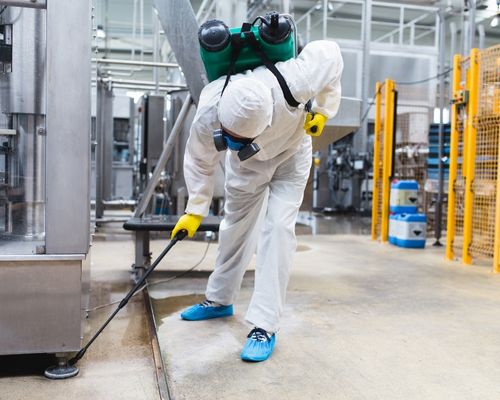
Years of Pest Control Expertise.
" Don't worry about Pests, we will fix it. Trust us! "
Our Services
What We Do Best
Residential Pest Control
Custom plans for single-family homes, condos, and apartments. Ants, roaches, spiders, and more — gone.
Commercial Pest Solutions
Discreet, effective protection for restaurants, offices, warehouses, and retail spaces.
Rodent Control & Exclusion
We trap, remove, and seal out rats and mice — no poison, no guesswork.
Mosquito Treatment
Yard sprays and barrier systems to reduce mosquito populations instantly.
Locations
Areas Served
Licensed & Insured Technicians
Fast Response Times
Eco-Friendly Treatment Options
Preventative Plans Available
5-Star Rated Locally
Satisfaction Guaranteed
Satisfied Customer



How We Work
We Prioritize Your Peace of Mind
From first contact to final follow-up, our mission is simple — deliver fast, effective, and stress-free pest control that puts your safety and satisfaction first.
01.
Free Inspection Your Area
We evaluate your home or business at no cost — identifying pests, entry points, and risks.
02.
Targeted Treatment & Fast Action
Our licensed technicians apply eco-safe, industry-proven treatments tailored to your pest problem.
03.
Ongoing Monitoring & Prevention
We don’t just eliminate pests — we help you keep them out for good through scheduled checkups and support.
Comprehensive Strategies for Pest Control El Portal, FL: Best Practices and Solutions
Strategies for Pest Control El Portal, FL: Best Practices and Solutions
Effective pest control is critical for safeguarding homes, businesses, and agricultural systems from the damage caused by pests. Implementing best practices ensures not only the elimination of pests but also minimizes risks to humans, animals, and the environment. Below are strategies and methods to achieve comprehensive pest control solutions.
Finding the Right Exterminator El Portal: Key Pest Control Considerations
Before selecting a pest control method, it’s essential to assess: – The type of pest: Different species require specialized approaches. – The environment: Indoor, outdoor, residential, or commercial areas may demand tailored solutions. – Levels of infestation: Minor infestations can often be addressed with preventive measures or targeted applications. – Long-term goals: Consider whether the goal is eradication or maintenance and prevention.
Effective Termite Control in El Portal, FL: Best Practices
- Seal cracks or openings in walls, doors, and windows.
- Store food properly in sealed containers to discourage pests like rodents or insects.
- Maintain cleanliness by promptly disposing of garbage and avoiding clutter where pests can breed.
- Conduct regular inspections of areas prone to infestation (kitchens, basements, etc.).
- Use traps or monitoring devices to detect early signs of activity before infestations worsen.
- Employ mechanical controls (e.g., traps) for small-scale issues.
- Utilize eco-friendly options or Integrated Pest Management (IPM) approaches whenever possible.
- Follow label instructions carefully when using chemical treatments.
- Consider non-toxic alternatives like diatomaceous earth for insects.
- For severe infestations or specialized treatment needs (e.g., termites), hire licensed pest control professionals.
Effective Pest Control Strategies from an El Portal Exterminator
| Method | Examples | Advantages | Disadvantages |
| Biological Control | Predators (ladybugs), microbes | Eco-friendly; targets specific pests | May take time for results |
| Chemical Treatments | Pesticides | Quick results; effective against large outbreaks | Risk of toxicity; environmental harm |
| Mechanical Methods | Traps, barriers | Safe; no chemicals required | Labor-intensive |
| Cultural Practices | Crop rotation | Reduces long-term risk | Requires planning |
Effective Long-Term Strategies with Terminix El Portal, FL Comprehensive Solutions
To ensure lasting protection from pests: – Educate household members or employees about preventive behaviors. – Schedule periodic inspections even when no current infestation exists. – Rotate control methods periodically to avoid resistance in pest populations.
Effective pest control combines proactive prevention with targeted intervention. By following these best practices and tailoring the right solutions for specific situations, you can achieve sustainable results while minimizing harm to both ecosystems and human health.
Comprehensive Guide to Pest Control El Portal: Methods, Tips, and Best Practices
Chemical pest control is one of the most widely used methods in pest management. It involves the use of synthetic or naturally derived chemicals to eliminate or suppress pest populations. While effective, the proper selection and application of chemical products are crucial to ensure safety, efficacy, and minimal environmental impact.
Effective Methods for Mosquito Control in El Portal, FL
- Used to manage insect pests.
- Examples: Pyrethroids (synthetic), organophosphates, and neonicotinoids.
- Target unwanted plant species (weeds).
- Examples: Glyphosate and atrazine.
- Designed to control rodent populations.
- Examples: Anticoagulants like warfarin and bromethalin-based products.
- Combat fungal diseases that affect plants.
- Examples: Chlorothalonil and sulfur-based fungicides.
- Used against mites that feed on plants or animals.
- Example: Abamectin.
- Chemicals that disrupt insect mating behaviors.
- Often used as part of integrated systems for non-lethal population control.
Effective Factors to Consider for El Portal Mosquito Control Methods
- Target Pest Identification
Accurate identification ensures the chosen chemical is effective against the specific pest species without harming beneficial organisms. - Mode of Action
Understanding how a product works helps in preventing resistance development in pest populations by rotating chemicals with different modes of action. - Environmental Impact
Choose biodegradable or eco-friendly options when possible to reduce harm to soil, water sources, and non-target organisms such as pollinators. - Application Method
Options include sprays, baits, dusts, granules, fumigation, or seed treatments depending on the type of infestation and environment affected. - Safety Concerns
Always review toxicity levels for humans, pets, and wildlife before application. Use personal protective equipment (PPE) during handling and follow label instructions precisely.
Pros of Chemical Pest Control
- High effectiveness in quickly reducing pest populations.
- Broad availability across a range of crops or household pests.
- Can often be tailored for specific pests through targeted formulations (e.g., systemic insecticides).
Cons of Chemical Pest Control
- Potential for environmental contamination: | Type | Example | Impact | |———————-|—————————–|——————————| | Water pollution | Pesticide runoff | Affects aquatic ecosystems | | Soil degradation | Overuse or misuse | Reduces nutrient quality |
- Development of resistance: Repeated use can lead to adaptive changes in pest populations that make future treatments less effective.
- Non-selectivity: Many chemicals affect both target pests and beneficial organisms such as pollinators or natural predators like ladybugs or parasitic wasps.
- Health Risks: Improper handling may result in toxicity concerns ranging from skin irritation to long-term effects due to exposure during application or consumption through residues on food crops.
Best Practices for Safe Use
- Rotate chemicals with different active ingredients regularly.
- Limit applications during windy conditions to avoid drift onto unintended areas.
- Employ spot treatments when possible instead of widespread applications.
- Integrate chemical tools with other methods such as biological controls for a balanced approach known as Integrated Pest Management (IPM).
Chemical pest control remains an essential tool in modern pest management strategies when used judiciously alongside other solutions aimed at reducing long-term dependency on synthetic inputs while maintaining ecological balance.
Understanding Chemical Pest Control in El Portal, FL: Types, Benefits, and Considerations
Chemical pest control is one of the most commonly used approaches to manage and eliminate pests. It involves the application of chemical substances to target and control pests that pose risks to agriculture, human health, or property. This method is effective when implemented correctly but requires careful consideration of various factors for safe application.
Types of Chemical Pest Control
- Insecticides: Chemicals specifically formulated to target insects such as ants, mosquitoes, cockroaches, and flies.
- Examples include organophosphates, pyrethroids, and neonicotinoids.
- Herbicides: Used to control unwanted plant growth (weeds) that compete with crops for resources like sunlight and nutrients.
- Common types include glyphosate-based formulations and selective herbicides targeting specific weed species.
- Rodenticides: Designed to manage rodents like rats and mice by poisoning them with anticoagulants or other toxic substances.
- Fungicides: Target fungi that cause plant diseases such as powdery mildew or rusts in agricultural fields or gardens.
- Copper-based fungicides are a notable example in this category.
Factors To Consider When Selecting Chemicals
When choosing a chemical pest control product, several factors must be evaluated to ensure efficacy and safety:
1. Target Pest Type: Identify the specific pest species you aim to manage; different chemicals are designed for different pests. 2. Application Area: Consider whether the area is residential, agricultural, or commercial. Some chemicals may not be suitable for indoor use due to toxicity concerns. 3. Environmental Impact: Assess potential risks associated with runoff into water systems or harm to non-target organisms like bees. 4. Regulations: Ensure compliance with local laws governing pesticide usage. 5. Resistance Management: Repeated use of certain chemicals can lead pests to develop resistance; rotating products or combining methods is advisable.
Pros of Chemical Pest Control
- High efficiency in eliminating large populations of pests quickly.
- Wide availability across markets with tailored solutions for various pest types.
- Scalability makes it suitable for both small-scale household use and large-scale agricultural applications.
Cons of Chemical Pest Control
| Disadvantage | Explanation |
| Environmental Damage | Overuse can result in pollution through soil contamination or water run-off into ecosystems |
| Non-selectivity | Some chemicals may harm beneficial organisms such as pollinators (e.g., bees) |
| Health Risks | Exposure can lead to respiratory issues or skin irritation if safety measures aren’t followed |
| Resistance Development | Pests may adapt over time leading to diminished effectiveness |
Best Practices For Safe Implementation
To maximize benefits while minimizing adverse effects from chemical pest control methods: – Always read product labels thoroughly and follow instructions regarding dosage rates. – Use personal protective equipment (PPE), including gloves and masks during application. – Avoid applying chemicals near water sources unless explicitly stated as safe on packaging. – Combine chemical controls with other methods (e.g., biological controls) as part of an Integrated Pest Management (IPM) strategy.
Chemical pest control remains an essential tool in modern pest management strategies but should be applied responsibly while balancing efficacy with environmental stewardship.
Effective El Portal Pest Control: Core Practices for Sustainable Management
Integrated Pest Management (IPM) is a comprehensive and environmentally conscious approach to controlling pests. It combines multiple strategies to manage pest populations effectively while minimizing risks to human health, beneficial organisms, and the environment. Below are the core practices that define IPM and how they contribute to sustainable pest control.
Principles of Integrated Pest Management
- Prevention
Preventing pest problems before they arise is a cornerstone of IPM. This involves adopting practices that make environments less hospitable to pests: - Sealing cracks and gaps in buildings.
- Practicing proper waste management.
- Using pest-resistant crop varieties in agriculture.
- Maintaining healthy soil conditions through crop rotation.
- Monitoring and Identification
Regular monitoring ensures early detection of pest issues. Tools for monitoring include: - Sticky traps to capture flying insects.
- Pheromone traps for species-specific identification.
- Visual inspections to detect signs like droppings or chewed materials.
Proper identification is also critical because not all insects or organisms are harmful; some may even be beneficial.
- Control
When prevention and monitoring indicate the need for action, IPM employs targeted control methods in an organized hierarchy:
| Control Type | Description | Example Practices |
| Cultural Controls | Modify environmental practices to reduce pests. | Crop diversification; adjusting planting times. |
| Mechanical Controls | Use physical means to block or remove pests. | Installing barriers; manual removal of weeds or insects. |
| Biological Controls | Promote natural enemies of pests. | Introducing predators like ladybugs; using microbial agents such as Bacillus thuringiensis (Bt). |
| Chemical Controls | Apply pesticides as a last resort under strict guidelines. | Targeted pesticide use with minimal environmental impact. |
Benefits of Integrated Pest Management
- Environmental Protection: Reduces reliance on chemical pesticides, which can harm ecosystems.
- Cost Efficiency: Emphasizing prevention minimizes long-term costs associated with recurring infestations.
- Human Health Benefits: Reduces exposure to toxic substances by prioritizing non-chemical solutions first.
- Adaptability: Can be applied across various sectors – agriculture, urban settings, forestry – with tailored strategies.
Challenges in Implementing IPM
- Requires training personnel in pest identification and sustainable practices.
- Demands continuous monitoring efforts which can be time-consuming.
- Initial setup costs may deter some businesses or individuals from adopting it.
By integrating science-backed prevention tactics, regular observation methods, and carefully chosen interventions, IPM provides an effective balance between managing pests and protecting health and ecosystems alike. Its sustainable approach makes it a preferred choice for both residential use and large-scale agricultural systems seeking long-term results without compromising environmental integrity.
Exploring Rodent Control Methods and Their Environmental Impacts in El Portal, FL
Pest control methods can have various environmental impacts depending on the approach used. While pest management is vital for protecting crops, public health, and property, some strategies may inadvertently harm ecosystems. Understanding these potential effects is essential to develop sustainable practices.
Chemical Pest Control Impacts
- Soil Contamination: Pesticides can leach into the soil, reducing its fertility and microbial diversity.
- Water Pollution: Runoff from treated fields or urban areas can carry pesticides into water bodies, affecting aquatic life and contaminating drinking water supplies.
- Non-Target Species Harm: Broad-spectrum pesticides sometimes kill beneficial insects like pollinators (e.g., bees) or predators that naturally control pests.
- Bioaccumulation: Persistent chemicals like DDT accumulate in food chains, leading to toxic effects on higher-order species such as birds and mammals.
| Negative Impact | Example |
| Soil contamination | Loss of beneficial microbes leading to poor crop yields |
| Water pollution | Algal blooms caused by contamination of water bodies with pesticides |
| Non-target species harm | Decline in bee populations due to neonicotinoid exposure |
| Bioaccumulation | Toxic build-up in predatory birds like eagles and owls |
Biological Pest Control Impacts
- Disruption of Native Ecosystems: Introducing non-native species for pest control might lead to unforeseen ecological imbalances if they compete with native species.
- Unintended Spread: Some introduced biological agents may spread beyond targeted areas and affect non-pest organisms.
Mechanical and Physical Controls
- Habitat Modification: Techniques like removing weeds or altering landscapes may disrupt habitats for other wildlife.
- Resource Intensity: Physical controls often require more labor or energy inputs than chemical methods.
Integrated Pest Management (IPM) Benefits
Integrated Pest Management (IPM) minimizes environmental impacts by combining multiple pest-control strategies in a balanced way. This approach reduces reliance on harmful chemicals while enhancing ecosystem health.
- Reduced pesticide use lowers risks of soil and water contamination.
- Encourages biodiversity by promoting natural predator populations.
- Supports sustainable farming practices that improve long-term soil health.
Ways to Mitigate Environmental Impacts of Pest Control
- Opt for targeted pesticide applications rather than broad-spectrum chemicals.
- Use biodegradable or low-toxicity pesticides whenever possible.
- Prioritize biological controls over chemical options where feasible.
- Incorporate IPM principles into pest management plans.
By understanding the unique impacts associated with each method and seeking sustainable solutions, both agricultural systems and natural ecosystems can thrive in balance without compromising long-term ecological integrity.