
Pest Control Services North Miami Beach
Don’t let pests take over your home or business. Whether you’re dealing with ants, roaches, termites, rodents, or mosquitoes — our licensed team is ready to solve your pest problems fast and keep them from coming back.
About Us
Why Pests in North Miami Beach, FL Are a Year-Round Problem
With Florida’s warm, humid climate, pest activity never truly stops. From rainy season infestations to dry season invasions, your property is constantly at risk. Our local experts understand the patterns and know how to protect your home — inside and out.
305-506-1592
Emergency Call
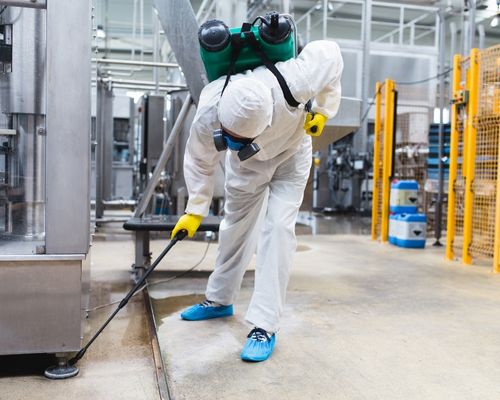
Years of Pest Control Expertise.
" Don't worry about Pests, we will fix it. Trust us! "
Our Services
What We Do Best
Residential Pest Control
Custom plans for single-family homes, condos, and apartments. Ants, roaches, spiders, and more — gone.
Commercial Pest Solutions
Discreet, effective protection for restaurants, offices, warehouses, and retail spaces.
Rodent Control & Exclusion
We trap, remove, and seal out rats and mice — no poison, no guesswork.
Mosquito Treatment
Yard sprays and barrier systems to reduce mosquito populations instantly.
Locations
Areas Served
Licensed & Insured Technicians
Fast Response Times
Eco-Friendly Treatment Options
Preventative Plans Available
5-Star Rated Locally
Satisfaction Guaranteed
Satisfied Customer
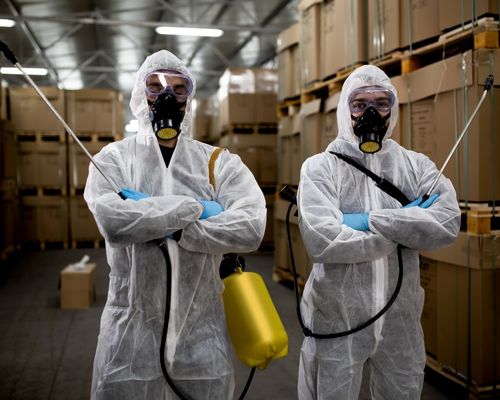



How We Work
We Prioritize Your Peace of Mind
From first contact to final follow-up, our mission is simple — deliver fast, effective, and stress-free pest control that puts your safety and satisfaction first.
01.
Free Inspection Your Area
We evaluate your home or business at no cost — identifying pests, entry points, and risks.
02.
Targeted Treatment & Fast Action
Our licensed technicians apply eco-safe, industry-proven treatments tailored to your pest problem.
03.
Ongoing Monitoring & Prevention
We don’t just eliminate pests — we help you keep them out for good through scheduled checkups and support.
Effective Pest Control in North Miami Beach, FL: Why It’s Essential for Your Property
Pest control is a practice aimed at managing or eliminating pests that can cause harm to humans, animals, crops, or structures. These pests include insects, rodents, birds, and other organisms that invade homes, businesses, or outdoor spaces. Effective pest control ensures the protection of health, property value, and overall well-being.
Effective Pest Control in North Miami Beach, FL: Why It Matters
- Health Risks: Many pests carry diseases and allergens. For instance:
- Rodents spread illnesses like Hantavirus and Salmonella.
- Mosquitoes transmit diseases such as Malaria, Dengue fever, and West Nile virus.
- Cockroaches carry pathogens that can cause food poisoning and trigger asthma.
- Structural Damage: Pests such as termites or carpenter ants can damage the foundation of buildings by feeding on wood or creating nests within walls.
- Food Contamination: Pests like rodents and flies contaminate food supplies with droppings or bacteria.
- Financial Impact: Repairing pest-related damage to property can result in expensive repairs. Moreover, businesses may suffer from reputational harm if customers spot infestations.
The Benefits of North Miami Beach Pest Control
| Benefit | Explanation |
| Ensures Safety | Minimizes exposure to harmful diseases spread by pests. |
| Protects Property Value | Prevents costly repairs due to structural destruction caused by termites or rodents. |
| Enhances Comfort | Eliminates nuisance caused by buzzing insects or scurrying rodents invading private spaces. |
| Reduces Stress | Knowing your space is protected from infestations provides peace of mind for homeowners/business owners. |
Essential Tips for Rodent Control in North Miami Beach, FL
- Identify signs of infestation such as droppings, nesting materials, bite marks on wood/furniture.
- Assess the extent of the problem by locating entry points (e.g., cracks in walls).
- Seal gaps around doors/windows to prevent entry.
- Store food securely in airtight containers.
- Maintain cleanliness by disposing waste regularly and keeping surfaces free from crumbs/spills.
- Control Measures: There are three primary methods used for controlling pests:
- Chemical Control: Use of pesticides designed specifically for targeted organisms while minimizing harm to humans/pets.
- Physical Control: Methods include setting traps (like mousetraps) or using barriers (such as screens).
- Biological Control: Involves introducing natural predators (e.g., ladybugs) into an environment where they prey upon harmful species.
- Monitoring & Maintenance: Regular follow-up inspections ensure that recurring infestations are detected early before they escalate into major issues.
Managing pests effectively not only safeguards your environment but also prevents long-term consequences associated with uncontrolled infestations. By remaining proactive about prevention methods and periodic inspections tailored specifically for your situation—whether residential or commercial—you ensure a safer living/working space while reducing overall costs over time through damage mitigation strategies.
Effective Pest Control Solutions with an Exterminator North Miami Beach Residents Can Trust
Effectively managing pests requires a comprehensive understanding of the available strategies. Pest control methods fall into three broad categories: chemical, physical, and biological. Each approach offers unique benefits and is tailored to specific pest issues. Below, we explore these methods in detail and provide guidance on how they can work together for safer and more sustainable pest management.
Effective Mosquito Control Methods in North Miami Beach, FL
Chemical pest control uses specially formulated substances to eliminate or deter pests. While effective, it’s vital to use these chemicals responsibly to minimize environmental impact and ensure safety.
Commonly Used Chemicals in Pest Control: – Insecticides: Target insects such as mosquitoes, ants, and cockroaches. – Rodenticides: Designed to manage rodents like rats and mice. – Fungicides: Prevent fungal growth that can damage crops or structures.
Advantages: – Quick results. – Effective for large-scale infestations.
Safety Tips When Using Chemicals: – Follow product labels closely. – Use protective equipment such as gloves and masks during application. – Avoid overuse to prevent pest resistance.
Effective North Miami Beach Mosquito Control Methods
Physical pest control involves the use of barriers, traps, or manual methods to prevent pests from entering a space or removing them from an area altogether. This method is particularly useful for deterring pests without introducing harmful substances into the environment.
Examples of Physical Pest Control Techniques: 1. Traps: Glue boards for insects or snap traps for rodents. 2. Barriers: Installing mesh screens on windows or sealing cracks in walls. 3. Manual Removal: Handpicking larger pests like slugs from gardens.
Advantages: – Environmentally friendly as no chemicals are used. – Offers long-term deterrence when combined with proper maintenance.
Biological Pest Control Methods
Biological pest control uses natural predators or pathogens to manage pest populations in an eco-friendly manner. This method mimics natural ecosystems by introducing biological agents that keep pests in check without disrupting the environment.
Key Examples of Biological Controls: | Predator/Pathogen | Targets | Application Example | |——————-|—————|——————————–| | Ladybugs | Aphids | Releasing ladybugs into gardens | | Parasitic Wasps | Caterpillars | Deployed in agricultural fields | | Bacillus thuringiensis (Bt) bacteria | Mosquito larvae | Spraying Bt-based solutions |
Advantages: – Safe for humans and non-target species when applied correctly. – Sustainable over long periods with minimal intervention.
Combining Methods for Integrated Pest Management (IPM)
For optimal results, many experts recommend using Integrated Pest Management (IPM), which combines chemical, physical, and biological techniques cohesively. IPM focuses on long-term prevention by addressing the root causes of infestations while reducing reliance on potentially harmful pesticides.
Steps in Implementing IPM: 1. Inspect your property regularly to identify potential problem areas. 2. Use physical barriers as the first line of defense against pests. 3. Introduce biological controls when appropriate for ongoing maintenance. 4. Resort to chemical treatments only if absolutely necessary after other methods prove ineffective.
By balancing these strategies wisely, you can achieve safer solutions that protect your property while preserving environmental health.
Effective Termite Control North Miami Beach, FL: Exploring Safer Pest Management Methods
When it comes to pest control, selecting effective and safe strategies is critical to managing infestations while protecting the environment, human health, and non-target species. Understanding the distinctions between chemical, physical, and biological pest control methods can help you make informed decisions about which approach best suits your needs.
Chemical Pest Control Methods
Chemical pest control involves the use of synthetic or natural compounds designed to eliminate pests or disrupt their life cycles. This method is widely used due to its efficiency in targeting specific types of pests. However, it requires careful handling to avoid adverse effects on humans and the surrounding environment.
- Insecticides: Target insects like ants, mosquitoes, or termites.
- Rodenticides: Designed for rodent control such as rats or mice.
- Herbicides: Used against invasive plants or weeds that attract pests.
- Fungicides: Combat fungal pathogens that may affect crops or stored food.
- Quick results.
- Targets specific pests effectively.
- Useful for large-scale infestations.
- Potential harm to beneficial organisms.
- Risk of environmental contamination (water and soil).
- Development of pest resistance with overuse.
Physical Pest Control Methods
Physical methods involve using barriers, traps, or manual techniques to prevent pests from entering a space or remove them from an area. These techniques are particularly suitable for those seeking non-chemical alternatives.
- Examples of Physical Methods:
| Method | Description | Use Case |
|———————–|——————————————|———————————–|
| Traps | Devices designed to capture pests alive or kill them.| Ideal for rodents like mice and rats.|
| Exclusion Barriers | Materials such as mesh screens that block pest entry.| Prevents insects like flies from entering homes.|
| Heat Treatment | Using high temperatures to eliminate bed bugs in furniture.| Used in residential pest control.|
| Manual Removal | Physically removing pests such as snails by hand.| Suitable for small-scale infestations in gardens.| - Environmentally friendly.
- No toxic residues left behind.
- Safe for children and pets when properly applied.
- Labor-intensive processes.
- May not be feasible for severe infestations.
- Limited reach compared to chemical methods.
Biological Pest Control Methods
Biological control focuses on leveraging natural predators, parasites, or pathogens to regulate pest populations. This eco-friendly approach minimizes environmental harm while maintaining ecological balance.
- Predators: Ladybugs controlling aphid populations in gardens.
- Parasitoids: Wasps used against caterpillars that attack crops.
- Pathogens: Bacillus thuringiensis bacteria targeting insect larvae naturally without harming other organisms.
- Sustainable approach with minimal environmental impact.
- Reduces reliance on chemical pesticides over time.
- Promotes biodiversity by supporting predator-prey relationships naturally.
- Requires time for results since agents need time to establish control.
- May not fully eradicate large-scale infestations without supplemental efforts.
Comparing the Three Approaches
| Method | Effectiveness | Environmental Impact | Cost |
| Chemical | High | Moderate to High | Varies (based on product) |
| Physical | Moderate | Low | Moderate (labor-dependent) |
| Biological | Gradual but long-term success | Low | Initial setup may vary |
Each method offers unique benefits suited for different scenarios; combining approaches often yields the most effective results while minimizing drawbacks associated with using only one method exclusively.
Effective Solutions from a North Miami Beach Exterminator for Common Pest Invasions
Pests are not merely a nuisance; they can pose significant risks to your health, property, and overall quality of life. Understanding the types of pests that commonly invade homes and businesses, along with effective ways to address them, is critical for maintaining a safe and comfortable environment.
Common Types of Pests
- Damage: Chew through wires, insulation, wood, and even piping; contaminate food with droppings.
- Health Risks: Spread diseases like hantavirus, salmonella, and leptospirosis.
- Indicators: Droppings, gnaw marks on furniture or wiring, scratching sounds in walls.
- Cockroaches:
- Damage: Contaminate food supplies; leave unpleasant odors.
- Health Risks: Trigger allergies/asthma; spread bacteria like E. coli.
- Indicators: Shed skins, droppings, egg casings.
- Damage: Food contamination; carpenter ants may damage wood structures.
- Control Tip: Locate entry points such as cracks around windows or foundations.
- Damage: Silent destroyers that weaken wood structures over time.
- Indicators: Mud tubes along walls/foundations; hollow-sounding wood upon tapping.
- Risks: While most are harmless, species like black widows or brown recluses can deliver painful bites requiring medical attention.
- Damage: Infest mattresses/furniture; cause itchy bites leading to discomfort.
- Detection Tip: Look for small rust-colored spots on bedding or furniture seams.
- Damage: Destroy roof shingles/attics; create nests that block vents or chimneys.
- Additional Challenges: May become aggressive if disturbed.
How to Address Pest Problems
- Seal cracks in walls and floors to deny entry points for pests.
- Store food in airtight containers to avoid attracting insects or rodents.
- Regularly clean cluttered areas like basements or attics where pests may hide.
- Physical Control Techniques:
These include traps for rodents/insects (e.g., glue traps), installation of barriers like mesh screens on vents/windows, and vacuuming infested areas for bed bugs. - Chemical Solutions:
Use pesticides carefully based on pest type: | Pest Group | Recommended Chemical Treatment | |—————–|——————————–| | Cockroaches | Gel baits containing fipronil/traps | | Termites | Termiticide treatments | | Ants | Bait stations near trails | - Biological Control Methods:
Introducing natural predators such as ladybugs (to control aphids) is an eco-friendly approach growing in popularity.
Professional Assistance
For severe infestations that cannot be managed through DIY methods alone: – Contact licensed pest control professionals who can conduct inspections and tailor treatments specific to your needs. – Ensure companies use integrated pest management (IPM) practices combining preventive measures with targeted interventions for minimal environmental impact.
Properly identifying pests early can make the difference between a manageable issue versus extensive property damage or health risks over time.
Finding the Best Terminix North Miami Beach, FL Services for Long-Term Pest Control Solutions
Selecting the most effective pest control method is crucial for ensuring long-term solutions that are both efficient and sustainable. With various techniques available, understanding which method suits your specific needs can save time, money, and effort while protecting your property from future infestations. Below is a comprehensive guide to help you make an informed decision.
Assess the Type of Pest Problem
The first step in choosing an effective pest control strategy is identifying the type of pest infestation you are dealing with. Different pests require different approaches, as their behavior, habitat, and vulnerabilities vary significantly.
- Common household pests: Ants, cockroaches, termites, bed bugs
- Garden pests: Aphids, caterpillars, beetles
- Rodents and wildlife: Rats, mice, squirrels
- Seasonal invaders: Wasps or mosquitoes
Knowing the pest species will help narrow down appropriate treatment methods.
Consider Your Environment
Your home or property’s environment plays a critical role when selecting a pest control strategy. Factors such as whether you have pets or small children at home can determine whether chemical treatments are safe to use. Similarly, if you live near natural ecosystems or water bodies that could be impacted by certain treatments (e.g., pesticides), alternative methods like biological controls may be more suitable.
| Factor | Recommended Control Method | Notes |
| Urban apartment | Chemical sprays or traps | Ensure ventilation if using sprays indoors |
| Suburban home | Integrated Pest Management (IPM) | Combines multiple methods like baiting and sealing |
| Rural/farm setting | Biological controls | Minimizes environmental impact |
Evaluate Long-Term Effectiveness
When deciding on a pest control method, consider its potential for long-term effectiveness rather than just short-term relief. Some approaches may provide immediate results but fail to address the root cause of infestations.
Long-term prevention strategies include:
– Sealing cracks and entry points to block access for pests – Regularly cleaning areas prone to attracting pests (such as kitchens) – Using bait stations instead of sprays for recurring problems like rodents
These measures not only eliminate current infestations but also prevent re-infestation over time.
Compare Pest Control Methods
- Chemical Control: Ideal for severe infestations but requires caution due to potential health risks.
- Biological Control: Environmentally friendly option using natural predators; however, it may take longer to achieve results.
- Physical Barriers/Traps: Best for localized infestations; maintenance is needed for continued effectiveness.
- Integrated Pest Management (IPM): A combination approach that focuses on sustainability and combines preventive measures with targeted interventions.
Seek Professional Guidance When Needed
While DIY methods can often address minor issues effectively, larger infestations or complex situations may require professional expertise. Licensed pest control professionals use advanced tools and techniques tailored to your specific needs while adhering to safety protocols.
By carefully analyzing these factors—type of pest problem, environmental considerations, long-term goals—you can ensure that your chosen method provides lasting protection against unwanted intrusions without compromising safety or sustainability.