
Pest Control Services Virginia Gardens
Don’t let pests take over your home or business. Whether you’re dealing with ants, roaches, termites, rodents, or mosquitoes — our licensed team is ready to solve your pest problems fast and keep them from coming back.
About Us
Why Pests in Virginia Gardens, FL Are a Year-Round Problem
With Florida’s warm, humid climate, pest activity never truly stops. From rainy season infestations to dry season invasions, your property is constantly at risk. Our local experts understand the patterns and know how to protect your home — inside and out.
305-506-1592
Emergency Call
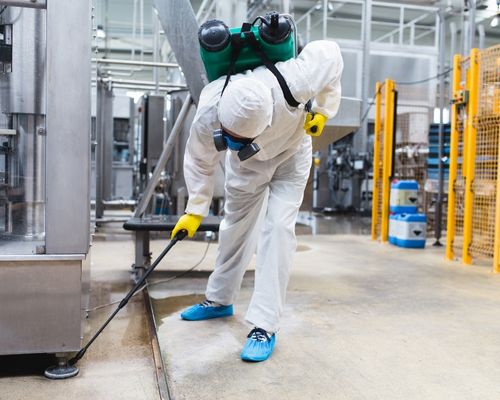
Years of Pest Control Expertise.
" Don't worry about Pests, we will fix it. Trust us! "
Our Services
What We Do Best
Residential Pest Control
Custom plans for single-family homes, condos, and apartments. Ants, roaches, spiders, and more — gone.
Commercial Pest Solutions
Discreet, effective protection for restaurants, offices, warehouses, and retail spaces.
Rodent Control & Exclusion
We trap, remove, and seal out rats and mice — no poison, no guesswork.
Mosquito Treatment
Yard sprays and barrier systems to reduce mosquito populations instantly.
Locations
Areas Served
Licensed & Insured Technicians
Fast Response Times
Eco-Friendly Treatment Options
Preventative Plans Available
5-Star Rated Locally
Satisfaction Guaranteed
Satisfied Customer



How We Work
We Prioritize Your Peace of Mind
From first contact to final follow-up, our mission is simple — deliver fast, effective, and stress-free pest control that puts your safety and satisfaction first.
01.
Free Inspection Your Area
We evaluate your home or business at no cost — identifying pests, entry points, and risks.
02.
Targeted Treatment & Fast Action
Our licensed technicians apply eco-safe, industry-proven treatments tailored to your pest problem.
03.
Ongoing Monitoring & Prevention
We don’t just eliminate pests — we help you keep them out for good through scheduled checkups and support.
Effective Tips to Prepare Your Home for Pest Control in Virginia Gardens, FL
Preparing your home for an exterminator visit is essential to ensure the process is as effective and efficient as possible. Proper preparation not only helps the pest control professional do their job more thoroughly but also ensures your household remains safe during and after the treatment.
Tips for Effective Virginia Gardens Mosquito Control
Before the visit, confirm the specific preparation requirements with your pest control provider. Different extermination methods require unique steps, so knowing what chemicals or techniques will be used can help you prepare appropriately.
- Ask if family members or pets need to vacate during treatment.
- Clarify how long areas treated will be off-limits after the service.
- Request a list of any specific cleaning instructions or precautions.
Clear out spaces where pests are typically found or where exterminators are likely to focus their efforts. This makes it easier for professionals to access problem areas and apply treatments effectively.
- Kitchen: Remove food items from countertops, cupboards, and pantries. Store them in sealed containers or place them outside the treatment area.
- Bathrooms: Empty cabinets under sinks and around plumbing fixtures.
- Bedrooms: Pull furniture at least six inches away from walls to allow access to baseboards.
A clean home enhances the effectiveness of pesticide application by ensuring pests don’t have alternative hiding spots or food sources.
- Vacuum carpets, rugs, and upholstered furniture thoroughly.
- Mop hard floors to remove dust and debris that could interfere with traps or sprays.
- Dispose of garbage promptly in sealed trash bags kept outside.
| Area | Cleaning Task | Notes |
| Kitchen | Wipe down surfaces & appliances | Focus on crumbs and grease buildup |
| Living Room | Vacuum furniture and carpets | Check under cushions |
| Bathrooms | Scrub tiles & grout | Ensure drains are clear of debris |
Ensure food, cookware, and utensils are shielded from pesticide exposure.
- Place non-refrigerated items in airtight storage bins.
- Cover larger appliances like stoves or refrigerators with plastic sheeting if necessary.
- Remove pet food dishes and water bowls before treatment begins.
Exterminators need easy access to cracks, crevices, corners, baseboards, and other hard-to-reach areas often frequented by pests.
- Move heavy furniture (e. g. , couches, dressers) away from walls where pests may hide.
- Open closet doors so exterminators can inspect inside thoroughly.
Pest control treatments can pose a risk to children’s health or pets’ safety if they come into contact with treated surfaces too soon.
- Arrange for children and pets to stay in unaffected rooms during treatment—or temporarily relocate them outside of the home entirely depending on exterminator recommendations.
- Wait until specified re-entry times before using treated areas again.
- Avoid washing surfaces that were treated unless instructed otherwise by your exterminator—this ensures chemicals remain active against pests for their intended duration.
By properly preparing your home ahead of time following these guidelines, you’ll optimize results while minimizing potential risks associated with pest control services.
Comprehensive Guide to Effective Pest Control Virginia Gardens for Homes and Businesses
Pests pose a significant threat not only to property but also to health, particularly in food-related environments. Whether you’re managing a home kitchen or running a food business, maintaining food safety while addressing pest control is essential. Below, we delve into practical food-safe pest control methods that can be implemented both in residential and commercial settings.
The Importance of Food-Safe Pest Control
Ensuring food safety while controlling pests helps prevent contamination, illness, and reputational damage. Pests such as rodents, cockroaches, ants, and flies can carry harmful bacteria like Salmonella and E. coli. Establishing proper practices minimizes these risks and ensures compliance with local health regulations.
Common Food Safety Risks Associated with Pests
Understanding the risks pests bring to food storage and preparation areas is crucial for effective prevention.
- Contamination of Food:Pests can leave feces, urine, hair, or dead bodies in stored goods.
- Spread of Diseases:Many pests carry pathogens that transfer onto surfaces or foods they come into contact with.
- Structural Damage:Rodents may gnaw on wiring or packaging materials, compromising the integrity of your premises.
Steps for Practicing Food-Safe Pest Control
- Keep all surfaces clean and sanitized regularly.
- Clear crumbs and spills immediately to avoid attracting pests.
- Use airtight containers for dry goods like flour, grains, and sugar.
- Store perishable items in refrigeration units at the appropriate temperatures.
- Check for gaps around doors, windows, vents, and pipes where pests could enter.
- Install door sweeps or weather stripping as necessary.
- Ensure incoming shipments are free from pest activity before accepting them.
- Reject any damaged packaging that could harbor infestations.
- Use covered trash bins both inside and outside the property.
- Regularly schedule waste removal services to avoid overflow issues.
Integrated Pest Management (IPM) for Food Safety
| Core IPM Strategies | Description |
| Monitoring | Regularly check for signs of infestation like droppings or damage. |
| Biological Control | Use natural predators like certain insects to manage pest populations. |
| Mechanical Methods | Employ traps instead of chemicals where possible. |
| Minimal Chemical Use | Apply pesticides sparingly while ensuring they meet food-safety standards. |
By following this structured strategy alongside sanitation practices outlined above you’ll maintain safer conditions whether operating homes kitchens—or professional businesses .
Effective Pest Control in Virginia Gardens, FL: A Guide for Homes and Businesses
Pest control is a critical component of maintaining a safe and hygienic environment, especially when it comes to handling food. Whether at home or in a commercial setting, implementing food-safe pest control practices ensures the safety of products while preventing contamination. Below is a comprehensive guide on how to effectively balance pest control with food safety.
Why Food-Safe Pest Control Matters
- Prevents Contamination: Pests like rodents, cockroaches, and ants can contaminate food with harmful bacteria such as Salmonella or E. coli.
- Protects Reputation: For businesses, maintaining an environment free from pests safeguards customer trust and avoids regulatory issues.
- Health Standards Compliance: Adhering to food-safe pest control practices ensures compliance with local health codes and regulations.
1. Maintain Cleanliness
Keeping your surroundings clean is the first step in deterring pests:
– At Home: – Wash dishes immediately after meals. – Store leftover foods in sealed containers. – Clean spills promptly to eliminate attractants.In Businesses: – Implement a daily cleaning schedule for kitchens and storage areas. – Regularly sanitize surfaces where food is prepared. – Dispose of trash frequently and use bins with tight-fitting lids.
2. Proper Food Storage
Proper storage techniques prevent easy access for pests:
– Use airtight containers for dry goods and raw ingredients.
– Store perishable items at appropriate temperatures in refrigerators or freezers.
– Rotate stock regularly using FIFO (First In, First Out) principles to avoid spoilage that may attract pests.
3. Seal Entry Points
Preventing access is an essential practice in pest control:
– Inspect doors, windows, walls, and floors for gaps or cracks where insects or rodents might enter.
– Install weather stripping under doors and screens on windows to block entryways effectively. – For businesses, ensure loading docks have secure seals around doors.
4. Pest Monitoring
Routine monitoring prevents infestations from becoming unmanageable: – Set up non-toxic traps or bait stations in areas prone to activity like kitchens or basements. – Conduct regular inspections for signs of pests such as droppings, chew marks, or grease trails. – Educate employees on early signs of infestation so they can report issues promptly.
Common Safe Pest Control Methods
| Method | Description | Suitable For |
| Natural repellents | Use of herbs like mint or bay leaves | Homes & small spaces |
| Bait stations | Enclosed traps with targeted baits | Homes & businesses |
| Professional extermination | Licensed services; often chemical-based | Larger infestations |
Practices to Avoid
To enhance safety while managing pests around food environments:
– Avoid the use of broad-spectrum pesticides directly near food preparation areas as they may leave harmful residues.
– Do not leave rodent traps exposed in places where they could contaminate nearby surfaces used for cooking or eating.
Final Thoughts on Food-Safe Pest Management
By combining cleanliness protocols with proactive measures like sealing entry points and proper monitoring, you can achieve effective pest control without compromising food safety standards. Whether managing this process at home or within a commercial business setting, it’s critical not only to protect your health but also maintain compliance with necessary guidelines for hygiene practices when dealing with edibles.
Top Strategies for Virginia Gardens Pest Control in Rental Properties
Managing pest control across multiple rental properties can be a challenging task, especially when dealing with diverse tenants, property layouts, and varying degrees of pest infestations. Proper planning and proactive measures are essential to ensure your properties remain pest-free while maintaining tenant satisfaction. Below are some effective strategies to streamline pest control management for multi-property owners or managers.
Conduct Routine Inspections for Rodent Control in Virginia Gardens, FL
Regular inspections are crucial in identifying early signs of pest infestations. By detecting problems before they escalate, you can prevent costly exterminations and property damage.
- Record Findings: Keep detailed records of observations during inspections to track recurring issues across properties.
Tips from an Exterminator Virginia Gardens Residents Can Use to Educate Tenants on Prevention
Tenants play a significant role in preventing pests by maintaining clean living spaces and reporting issues promptly. Providing them with resources and guidelines can help foster cooperation.
- Proper food storage practices (e. g. , sealed containers).
- Regular disposal of garbage.
- Avoiding clutter that could harbor pests.
- Encourage Prompt Reporting: Create an easy process for tenants to report any signs of pests or maintenance issues such as leaky pipes.
- Host Informational Sessions: Periodically organize sessions (in person or virtual) to educate tenants about preventing infestations.
Working with a reliable pest control company ensures you have consistent expertise available when needed.
| Benefits of Partnering with Professionals | Why It’s Important |
| Customized Treatment Plans | Experts tailor solutions to each property’s unique needs |
| Routine Maintenance Programs | Preventative treatments lower the risk of infestations |
| Quick Response Times | Professionals handle emergencies efficiently |
When selecting a service provider: – Verify their licenses and certifications. – Ensure they specialize in multi-property management. – Review their pricing plans for scalability as your portfolio grows.
Effective Preventative Measures with a Trusted Virginia Gardens Exterminator
Prevention is always more cost-effective than eradication. Consistently applying preventative measures across all properties minimizes the likelihood of infestations.
Recommended Preventative Actions:
- Seal cracks and gaps in walls, windows, doors, and foundations.
- Install weather stripping around entry points to keep insects out.
- Fix leaky pipes or faucets that create moisture—a major attractant for pests like cockroaches and termites.
- Use outdoor bait stations or traps in communal areas prone to rodents without endangering tenants’ safety.
- Conduct periodic landscaping services such as trimming bushes and removing standing water that may harbor mosquitoes.
Develop a Centralized Pest Control Plan with Terminix Virginia Gardens, FL
A unified approach allows you to manage multiple properties more efficiently while ensuring consistent results.
Key components include: – A standard operating procedure (SOP) outlining how pest-related issues should be managed across all properties. – A designated point of contact (e. g. , property manager) responsible for coordinating inspections and treatments. – Digital tools like property management software to track pest control activities at each location effectively.
By adopting these strategies, you’ll be better equipped to maintain healthy living conditions across your rental properties while reducing the risk of long-term damage caused by pests.
Effective Mosquito Control in Virginia Gardens, FL: Protect Your Property from Pests
Preventing household pests is an integral part of maintaining a clean, safe, and healthy living environment. By following essential tips and taking proactive measures, you can significantly reduce the risk of pest infestations. Below are actionable steps to protect your property effectively.
Seal Entry Points
Preventing pests from entering your home starts with limiting their access points. Even small cracks or gaps can serve as entryways for insects and rodents.
- Inspect doors and windows: Ensure all windows have intact screens and seal any gaps around door frames. Use weatherstripping to close gaps at the bottom of doors.
- Check foundations: Look for cracks in the foundation or walls, especially around plumbing or utility lines, and seal them with caulk or expanding foam.
- Examine vents: Cover vents with mesh to prevent pests like rodents or birds from entering while maintaining airflow.
Maintain Cleanliness
A clean home is less inviting to pests, as it eliminates food sources and nesting areas they seek out.
- Food storage: Store pantry items such as cereal, grains, and pet food in airtight containers to prevent access by ants, moths, or rodents.
- Vacuum floors regularly to remove crumbs.
- Wipe down counters after preparing food.
- Empty trash bins daily and ensure lids fit securely.
- Declutter spaces: Avoid piling up clutter in basements, attics, or garages where pests may hide or nest.
Address Moisture Problems
Many pests thrive in damp environments.
| Problem Area | Effective Solution |
| Leaky pipes | Repair leaks promptly; insulate pipes |
| Basement humidity | Use a dehumidifier |
| Gutters | Clear debris regularly to avoid standing water |
Regularly inspect areas like under sinks or behind appliances for signs of leaks or excessive moisture.
Manage Outdoor Factors
Your property’s exterior plays a significant role in keeping pests at bay indoors as well.
- Trim back shrubs or tree branches that touch the house to deter insects from using them as bridges into your home.
- Keep firewood stored at least 20 feet away from the structure.
- Regularly inspect outdoor garbage bins for secure lids that deter scavenging animals.
Monitor Pest Activity Regularly
- Check commonly infested areas such as kitchen cupboards, bathrooms, basements, and attics frequently for signs like droppings or chew marks.
- Use sticky traps for monitoring insect activity in discreet locations such as under furniture or behind appliances.
- Keep an eye out for structural damage that could indicate termites (e. g. , hollow-sounding wood).
By implementing these practical tips consistently over time, you can maintain a pest-free property while minimizing the need for long-term extermination efforts.