
Pest Control Services North Miami
Don’t let pests take over your home or business. Whether you’re dealing with ants, roaches, termites, rodents, or mosquitoes — our licensed team is ready to solve your pest problems fast and keep them from coming back.
About Us
Why Pests in North Miami, FL Are a Year-Round Problem
With Florida’s warm, humid climate, pest activity never truly stops. From rainy season infestations to dry season invasions, your property is constantly at risk. Our local experts understand the patterns and know how to protect your home — inside and out.
305-506-1592
Emergency Call
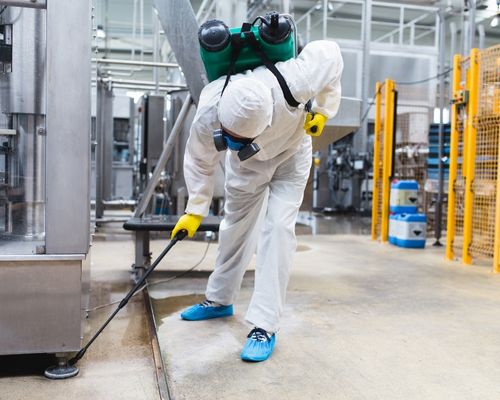
Years of Pest Control Expertise.
" Don't worry about Pests, we will fix it. Trust us! "
Our Services
What We Do Best
Residential Pest Control
Custom plans for single-family homes, condos, and apartments. Ants, roaches, spiders, and more — gone.
Commercial Pest Solutions
Discreet, effective protection for restaurants, offices, warehouses, and retail spaces.
Rodent Control & Exclusion
We trap, remove, and seal out rats and mice — no poison, no guesswork.
Mosquito Treatment
Yard sprays and barrier systems to reduce mosquito populations instantly.
Locations
Areas Served
Licensed & Insured Technicians
Fast Response Times
Eco-Friendly Treatment Options
Preventative Plans Available
5-Star Rated Locally
Satisfaction Guaranteed
Satisfied Customer



How We Work
We Prioritize Your Peace of Mind
From first contact to final follow-up, our mission is simple — deliver fast, effective, and stress-free pest control that puts your safety and satisfaction first.
01.
Free Inspection Your Area
We evaluate your home or business at no cost — identifying pests, entry points, and risks.
02.
Targeted Treatment & Fast Action
Our licensed technicians apply eco-safe, industry-proven treatments tailored to your pest problem.
03.
Ongoing Monitoring & Prevention
We don’t just eliminate pests — we help you keep them out for good through scheduled checkups and support.
How to Effectively Prepare Your Home for Professional Pest Control in North Miami, FL
Preparing your home for a professional pest control treatment is essential to ensure the process is effective and efficient. Taking the right steps ahead of time not only helps safeguard your belongings but also enhances the ability of pest control experts to address the issue thoroughly. Below are practical tips and guidelines to help you prepare your home.
Effective Termite Control in North Miami, FL Through Decluttering
Reducing clutter in your home before treatment allows pest control professionals to target problem areas effectively. Clutter can serve as hiding spots for pests, making it more challenging to eliminate them. Focus on these areas:
– Kitchen counters: Remove small appliances and store them temporarily elsewhere.
– Bathroom surfaces: Ensure countertops and under-sink cabinets are cleared.
– Living spaces: Organize items off the floor, such as toys, electronics, or decorative pieces.
Preparing for a North Miami exterminator: Clean Surfaces Before Treatment
A clean home ensures better adhesion of pest control products and promotes effective application. Follow these cleaning steps:
1. Vacuum carpets thoroughly, especially along baseboards where pests frequently hide. 2. Wipe down kitchen surfaces, including countertops and backsplashes. 3. Sweep or mop hard floors to eliminate crumbs or spills that may attract pests.
Avoid deep cleaning immediately after treatment so that pesticides can remain undisturbed.
Safeguard Your Belongings with Terminix North Miami, FL
Sensitive items in your household should be protected or removed during pest control treatments. Consider these precautions:
– Store food items: Place pantry goods in sealed containers or remove them from the house temporarily. – Cover furniture: Use plastic sheets or covers for couches, beds, and other upholstered items. – Pack away personal belongings: Store children’s toys, pet bedding, and other commonly used items in air-tight bags or bins.
| Item Type | Recommended Action |
| Food | Store in sealed containers or relocate temporarily |
| Toys | Place in airtight storage bags |
| Pet Supplies | Remove food bowls, bedding, and litter boxes |
Effective Mosquito Control in North Miami, FL: Focusing on Access Points
To ensure thorough coverage during pest control treatments, make sure entry points are accessible for professionals: – Move furniture away from walls so technicians can inspect cracks and crevices. – Clear access to crawl spaces or attics if applicable. – Open doors to all rooms prior to their arrival.
This step is particularly important as entry points often harbor nests or act as pathways for pests into your home.
Provide Special Instructions to North Miami Mosquito Control Professionals
If there are areas of concern within your home—such as fragile belongings or rooms requiring restricted access—inform the pest control team beforehand. This helps them tailor their approach while respecting personal preferences.
By following these guidelines carefully, you can maximize the efficiency of a professional pest control service while taking proactive steps toward maintaining a safe and clean environment at home.
How to Prepare Your Home for Pest Control in North Miami, FL
Preparing your home for a pest control treatment is critical to ensure both safety and effectiveness. One of the key steps in this process involves safeguarding your food and belongings. Here’s a detailed guide on how to protect these essentials so you can achieve the best results from the treatment while maintaining a safe environment.
Why Protecting Your Food and Belongings Matters
Exposure to pest control chemicals can lead to potential contamination of food, kitchenware, and personal items if not properly handled. Protecting these items ensures: – The treatment is effective without interference. – Unintended chemical exposure is minimized. – A clean and safe space is maintained post-treatment.
Steps to Safeguard Food Items
- Remove all food items, including canned goods, dry products, spices, and baking essentials, from shelves or cabinets that are likely to be treated.
- Store these items in sealed containers or plastic bags.
- Items stored inside refrigerators or freezers are generally safe as long as they remain closed during the treatment.
- Wipe down external surfaces of appliances after the pest control service has been completed.
- Place non-perishable foods like rice, cereal, flour, and snacks in airtight plastic or glass containers for added protection.
- Label containers clearly for easy organization once returned.
- Discard any open or improperly stored food that may have come into contact with pest control chemicals during previous infestations or treatments.
Protecting Kitchenware and Utensils
- Cover Large Kitchen Appliances: Wrap appliances such as microwaves or ovens in plastic sheeting if they are directly located in target areas.
- Store Utensils Elsewhere: Move dishes, cutlery, cutting boards, pots, pans, and other cooking tools out of potentially treated zones.
- Seal Cabinets: Use painter’s tape or plastic sheets to seal off cabinets if you’re unable to remove items entirely.
Safeguarding Other Personal Belongings
Furniture, electronics, linens, toys, and other personal items should also be protected: – Cover Upholstered Furniture: Use fabric covers or tightly sealed plastic sheets for chairs and sofas near treated areas. – Pack Away Small Items: Gather loose items like books or toys into bins with secure lids. – Protect Electronics: Turn off electronics not intended for use during the treatment session; cover them with waterproof material as needed.
| Item Type | Suggested Action | Additional Note |
| Non-perishable Foods | Place in airtight containers | Store away from treatment zones |
| Dishes & Cutlery | Move out entirely | Wrap fragile pieces carefully |
| Upholstered Furniture | Cover with fabric/plastic sheeting | Securely seal all edges |
| Small Electronics | Cover with waterproof material | Turn off devices before covering |
After-Treatment Maintenance Tips
Once the pest control procedure is complete: 1. Clean Surfaces: Wipe down countertops, tables, and shelves using soap water before placing items back into position. 2. Inspect Food Containers: Double-check seals on any storage units used during preparation. 3. Monitor Treated Areas: Observe treated locations over several days for signs of lingering pests before fully resuming usage of those spaces.
By taking these precautionary steps prior to a professional pest control service appointment, you can safely protect your food supply and belongings while maximizing the impact of the treatment effort—leaving your home cleaner and better prepared in its fight against pests.
How Moving Furniture and Accessing Entry Points Improves North Miami Pest Control
Proper preparation is key to ensuring that a professional pest control treatment achieves the desired results. One of the most important steps you can take is moving furniture and providing unhindered access to key entry points where pests may infiltrate your home. This allows pest control professionals to effectively apply treatments and ensure that no stone is left unturned in combating infestations.
Why Moving Furniture Matters
- Allow technicians to inspect hidden or hard-to-reach areas.
- Ensure thorough application of pest treatments along baseboards, walls, and corners.
- Eliminate potential breeding or nesting spots for pests like cockroaches, bed bugs, and ants.
Typical household items you may need to move include:
| Furniture/Item | Areas to Focus On |
|—————————|—————————————–|
| Sofas and couches | Baseboards behind and underneath them |
| Beds | Bed frames and wall connections |
| Dressers | Corners near the floor |
| Kitchen appliances | Behind stoves, refrigerators, and dishwashers |
Providing Access to Entry Points
Pests often gain entry into your home through small cracks or gaps around doors, windows, vents, pipes, or electrical outlets. Pest control professionals must have clear access to these areas for proper inspection and treatment.
- Remove any obstructions near doors or windows (e.g., curtains or blinds).
- Clear clutter from around plumbing fixtures such as sinks and bathtubs.
- Check for gaps around baseboards or floorboards where pests may enter.
Tips for Moving Furniture Safely
- Plan ahead: Identify which specific items need moving based on feedback from your pest control provider.
- Use felt pads: Attach felt pads under furniture legs when sliding heavy items across floors.
- Enlist help: For large items like beds or refrigerators, ask a family member or friend for assistance.
- Protect fragile items: Empty out drawers or cabinets before moving bulky furniture pieces.
Benefits of Proper Preparation
- Faster service from technicians who won’t need additional time rearranging furniture.
- Improved effectiveness of treatments with fewer “missed” hiding spots.
- Reduced risk of reinfestation by addressing all potential shelter zones.
Taking these preparatory measures helps create an ideal environment for professional pest management teams while safeguarding your home against persistent infestations over time.
Ensuring Pet Safety and Temporary Relocation Tips During Rodent Control North Miami, FL Treatments
Ensuring the safety and well-being of your pets during pest control treatments is a crucial part of the preparation process. Some pest control treatments involve chemicals and methods that may pose risks to animals if exposure occurs. Taking proactive steps can help minimize potential harm and ensure a smooth experience for both you and your pets.
Why Pet Safety is Important During Pest Control
Pets have heightened sensitivities compared to humans. Chemicals used in pest control can be harmful if ingested, inhaled, or absorbed through their skin or paws. Even non-toxic solutions may cause discomfort or stress for animals. Ensuring proper protection not only prevents health concerns but also reduces anxiety for your furry companions.
Steps to Ensure Pet Safety
- Inform the pest control company about the types of pets in your home (e.g., dogs, cats, birds, reptiles).
- Ask about any specific precautions required for the products being used.
- Request details about how long pets need to stay away from treated areas.
- Plan Temporary Relocation
Depending on the type of treatment, it may be necessary to relocate your pets temporarily: - Short-term relocation: For treatments like sprays or fogging, consider keeping pets out of the house for several hours as recommended by professionals.
- Long-term relocation: For more intensive treatments such as fumigation, arrange a safe space outside the home where pets can stay until it’s safe to return (e.g., with family or at a pet boarding facility).
- Create Comfortable Arrangements
If temporary relocation isn’t an option: - Confine them to rooms or areas not being treated. Use barriers like closed doors or crates.
- Remove food bowls, water dishes, bedding, and toys from spaces undergoing treatment to prevent contamination.
- Protect Aquatic Pets
Fish tanks are highly sensitive during pest control treatments: - Cover aquariums with plastic wrap or specialized tank covers to prevent chemical exposure.
- Turn off air pumps temporarily if directed by professionals.
- Post-Treatment Cleaning Protocols
After treatment is complete: - Clean surfaces where pet items are placed (floors, countertops).
- Wash food bowls and bedding thoroughly before allowing use again.
Additional Tips
- Birds and small mammals are particularly vulnerable due to their respiratory systems; plan ahead accordingly.
- Reptiles require specific care since they absorb chemicals through their skin—consult a specialist if needed.
- Keep a close eye on pets after returning home for signs of discomfort such as lethargy, vomiting, or unusual behavior.
| Pet Type | Suggested Actions |
| Dogs & Cats | Relocate temporarily; remove toys/food dishes from treated areas |
| Fish | Cover aquarium; turn off air pumps |
| Birds | Keep away from fumes; relocate if possible |
| Reptiles | Use secured enclosures in untreated spaces |
Proper planning ensures that professional pest control achieves its goal without compromising your pet’s safety or comfort level during treatment sessions.
What to Expect After Hiring an Exterminator North Miami for Professional Pest Control
After a professional pest control treatment, it’s important to know what to expect so you can maximize the effectiveness of the treatment while keeping your home safe for your family and pets. Here’s a detailed guide on what you should anticipate and how to proceed in the days following the service.
Immediate Post-Treatment Guidelines
- If liquid sprays or other chemical treatments were used, give these areas enough time to dry completely before touching or cleaning them.
- This process typically takes 2-4 hours, but follow any specific instructions provided by your pest control professionals.
- Open windows and doors (if safe) to allow fresh air circulation in treated areas. This helps remove any residual odor from sprays or foggers used during the process.
- Refrain from mopping floors or wiping down baseboards where pesticides were applied for at least a week unless otherwise instructed by your provider. This preserves the protective chemicals and ensures their effectiveness against pests.
Observing Pest Activity
- Increased Movement: You may see more pests than usual in the first few days following treatment as they come into contact with residual pesticides and attempt to escape.
- Dead Pests: Expect dead insects or rodents in areas where traps or baits were placed. Dispose of these safely using gloves and seal them in plastic bags before discarding them in outdoor trash bins.
Long-Term Behavior Changes
| Timeframe | Expected Outcomes | Recommended Actions |
| 1–2 weeks | Reduced live activity | Monitor problem areas without interfering with bait stations or traps |
| 3–4 weeks | Visible improvement; fewer pests | Contact your provider if activity persists beyond this period |
| Ongoing | Maintenance levels; minimal recurring issues | Consider routine inspections every 6–12 months |
Precautions for Safety
- Keep Children and Pets Away: Limit access to treated rooms until chemical residues have dried completely.
- Follow Disposal Instructions: If provided with bait stations, traps, or other devices, dispose of them as instructed.
- Wash Hands Thoroughly: If you accidentally touch treated areas, wash hands thoroughly with soap and water.
When to Reach Out for Follow-Up Services
If pest problems persist beyond four weeks despite following all recommendations, it could indicate additional underlying issues such as:
– New entry points allowing pests into your home – Food sources attracting pests – Insufficient initial treatment due to severe infestations
Contact your pest control provider promptly for an assessment if any of these situations occur. Their expertise will help address lingering concerns effectively.
By understanding what happens after a professional pest control treatment and taking appropriate actions, you can maintain a healthier living environment while ensuring long-term protection against unwanted pests.