
Pest Control Services North Bay Village
Don’t let pests take over your home or business. Whether you’re dealing with ants, roaches, termites, rodents, or mosquitoes — our licensed team is ready to solve your pest problems fast and keep them from coming back.
About Us
Why Pests in North Bay Village, FL Are a Year-Round Problem
With Florida’s warm, humid climate, pest activity never truly stops. From rainy season infestations to dry season invasions, your property is constantly at risk. Our local experts understand the patterns and know how to protect your home — inside and out.
305-506-1592
Emergency Call
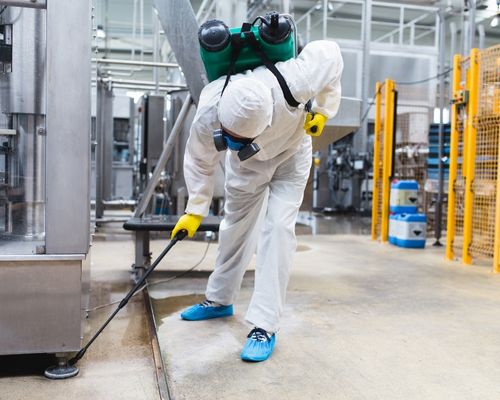
Years of Pest Control Expertise.
" Don't worry about Pests, we will fix it. Trust us! "
Our Services
What We Do Best
Residential Pest Control
Custom plans for single-family homes, condos, and apartments. Ants, roaches, spiders, and more — gone.
Commercial Pest Solutions
Discreet, effective protection for restaurants, offices, warehouses, and retail spaces.
Rodent Control & Exclusion
We trap, remove, and seal out rats and mice — no poison, no guesswork.
Mosquito Treatment
Yard sprays and barrier systems to reduce mosquito populations instantly.
Locations
Areas Served
Licensed & Insured Technicians
Fast Response Times
Eco-Friendly Treatment Options
Preventative Plans Available
5-Star Rated Locally
Satisfaction Guaranteed
Satisfied Customer



How We Work
We Prioritize Your Peace of Mind
From first contact to final follow-up, our mission is simple — deliver fast, effective, and stress-free pest control that puts your safety and satisfaction first.
01.
Free Inspection Your Area
We evaluate your home or business at no cost — identifying pests, entry points, and risks.
02.
Targeted Treatment & Fast Action
Our licensed technicians apply eco-safe, industry-proven treatments tailored to your pest problem.
03.
Ongoing Monitoring & Prevention
We don’t just eliminate pests — we help you keep them out for good through scheduled checkups and support.
How to Effectively Prepare Your Home for Pest Control North Bay Village
Preparing your home for an exterminator visit is a crucial step in ensuring the effectiveness of pest control treatments. A well-prepared home not only speeds up the process but also enhances the likelihood of long-term results. Below are key steps and best practices to follow when getting ready for a professional extermination service.
Effective Preparation Steps for Pest Control in North Bay Village, FL
- Vacuum carpets, rugs, and upholstery to remove any pests, eggs, or debris.
- Wipe down surfaces like countertops, shelves, and floors to eliminate food crumbs or residue that could attract pests.
- Declutter areas where pests are likely to hide or nest such as basements, attics, and storage spaces.
- Store food in airtight containers or remove it from the premises entirely during treatment. This includes pet food.
- Empty cupboards and drawers if they will be treated.
- Remove bedding, toys, clothing, and other personal items from areas where treatment will occur.
- Arrange for pets to stay outside the home during treatment. Fish tanks should be covered with plastic wrap and pumps turned off temporarily.
- Move houseplants away from treated areas or temporarily relocate them outdoors.
- Ensure easy access to areas where pests have been spotted such as cracks in walls, under sinks, behind appliances, or in basements.
- Move large furniture pieces at least 2-3 feet away from walls if possible so technicians can inspect crevices thoroughly.
Room-Specific Preparation for Effective North Bay Village Mosquito Control
| Area/Room | Preparation Tips |
| Kitchen | Empty cabinets and drawers; wipe all surfaces clean; store utensils securely. |
| Bathrooms | Remove items like toothbrushes, shaving kits; clear space around plumbing lines. |
| Bedrooms | Strip beds of linens; move furniture away from walls; check closets for clutter. |
| Living Room | Vacuum carpets/rugs thoroughly; move furniture where necessary for easy access. |
Communicate with Your Exterminator
Effective communication with your pest control professional is vital:
– Share details about pest sightings such as their locations and frequency of activity. – Ask about post-treatment guidelines like when it’s safe to return home or resume cleaning routines. – Confirm which products will be used if you have concerns about allergies or sensitivities.
Important Post-Treatment Tips for Rodent Control in North Bay Village, FL
Once the treatment is complete:
– Avoid cleaning treated surfaces immediately unless specified by your exterminator. – Monitor pest activity over the following weeks – some treatments take time to show results. – Seal entry points like gaps around windows or doors to prevent re-infestation.
Proper preparation ensures not only the success of the current pest control effort but also minimizes health risks while creating a safer environment for everyone in your household.
Essential Tips to Prepare Your Home for Pest Control North Bay Village, FL Treatment
Proper preparation of your home before a pest control treatment ensures the process is efficient and effective. By following a thorough checklist, you not only maximize the impact of the exterminator’s treatment but also create a safer environment for your household during and after pest control. Below is a comprehensive guide to help you prepare.
Effective Mosquito Control Preparation Steps in North Bay Village, FL
- Vacuum carpets, rugs, and floors to remove dirt, crumbs, or pest residue.
- Clear clutter such as boxes, clothing piles, or items stored near walls. This allows pest control professionals better access to affected areas.
- Remove any unnecessary items from beneath sinks or along baseboards where pests might hide.
- Remove pets from the home during treatment hours as chemicals may be harmful to their health. Consider boarding pets offsite temporarily if needed.
- Cover or move aquariums and ensure air pumps are turned off.
- Relocate indoor plants away from treated areas since chemical exposure could damage them.
- Store all food in sealed containers or remove it from cabinets targeted for treatment.
- Dispose of any exposed food that may be contaminated by pests before service.
- Empty garbage bins throughout the house.
- Unlock cabinets or areas that require inspection (e.g., under sinks).
- Move furniture at least 2–3 feet away from walls to provide clear access for spraying or bait placement.
Kitchen
- Wipe down countertops and stovetops thoroughly to eliminate grease and food debris.
- Empty cabinets where pest activity has been noticed (e.g., ants or cockroaches).
- Store utensils, dishes, and cookware in covered storage bins or remove them temporarily.
Bedrooms
- Strip all bedding if treating for bed bugs; wash linens in hot water followed by high-temperature drying.
- Empty drawers in bedside tables where pests like bed bugs might hide.
- Move furniture off walls for better access to cracks and crevices.
Bathrooms
- Remove items stored under sinks, such as cleaning supplies or toiletries.
- Clean bathtubs, sinks, drains, and tile floors to remove grime that can attract pests.
- Ensure no leaks are present in pipes; standing water can attract insects like cockroaches.
Post-Treatment Considerations
| Task | Action |
| Wait Time | Follow specific instructions provided by your exterminator on re-entry times after chemical treatments. |
| Ventilation | Open windows if recommended to allow proper air circulation post-service. |
| Cleaning After Treatment | Wipe surfaces lightly but avoid deep cleaning for at least 24–48 hours unless advised otherwise (to let treatments take full effect). |
| Monitor Activity | Note any remaining pest activity over the next few weeks as treatments often take time to completely eliminate infestations. |
By adhering strictly to these preparation steps and recommendations provided by your pest control professional, you can ensure long-lasting results while maintaining safety within your home environment.
Essential Tips from an Exterminator North Bay Village Residents Can Use for Pest Treatments Like Termites, Bed Bugs, and Rodents
Preparing for Termite Treatment
- Clear Access to Inspection Areas:
Move furniture or items at least two feet away from walls where termites are suspected. This provides unobstructed access for both inspection and treatment. - Remove Wood-Based Items:
Remove wooden furniture, firewood stacks, or any untreated lumber near the infected area since these can attract termites further. - Cover or Seal Food Items:
If fumigation is part of the process, all food items should be sealed in special airtight bags provided by pest control professionals or removed entirely from the premises. - Vacate the Premises if Using Fumigation:
For fumigation treatments, you may need to leave your home for several days as specified by your exterminator. Coordinate this in advance with family members or roommates.
Preparing for Bed Bug Treatment
- Launder Bedding and Fabrics:
Wash all bedding, curtains, and clothing in hot water (over 120°F) to kill bed bugs and their eggs. Dry them on high heat afterward. Store clean fabrics in sealed plastic bags until after the treatment is complete. - Declutter Affected Rooms:
Reduce clutter around beds and furniture where bed bugs may hide. Avoid moving infested items into non-infested areas to prevent spreading the infestation further. - Vacuum Thoroughly:
Vacuum carpets, mattresses, box springs, baseboards, and upholstered furniture thoroughly before treatment begins. Dispose of vacuum bags immediately after use in a sealed plastic bag outside your home. - Move Furniture Away from Walls:
Move furniture at least two feet away from walls so exterminators have full access to baseboards and other critical areas during their application process.
| Items To Prepare | Action Required |
| Bedding | Wash/dry on high heat |
| Clothing | Store in sealed bags after washing |
| Furniture | Clear space around walls |
| Floors | Vacuum thoroughly |
Preparing for Rodent Treatment
- Secure Food Storage Areas:
Place all food items (including pet food) in metal or glass containers with airtight lids to prevent contamination by rodents. - Identify Entry Points:
Check for gaps around doors, windowsills, plumbing pipes, or vents where rodents may enter your home so exterminators know where extra attention is needed during treatment. - Indoors: Remove piles of paper/cardboard that could serve as nesting material.
- Outdoors: Trim shrubs near windows/walls; eliminate yard debris such as woodpiles nearby.
- Remove rodent droppings using gloves/appropriate cleaning agents.
- Disinfect surfaces regularly accessed by rodents (e.g., kitchen counters).
Preparing properly allows pest control professionals to treat infestations efficiently while safeguarding your household’s health throughout the process. Tailoring these preparations based on specific pests helps ensure optimal results from each unique treatment approach while minimizing risks associated with residual infestation threats afterward.
Effective Termite Control in North Bay Village, FL: Key Steps for Pest Treatment Preparation
Preparing your home for pest control treatment is essential to ensure the process is effective and safe. Different pests require tailored preparations, as their behavior and habitats vary significantly. Below are key steps to prepare your space for treatments targeting termites, bed bugs, and rodents.
Preparing for Termite Treatments
- Move furniture or items obstructing walls where termites have been detected. Technicians may need 2–3 feet of clearance around these areas.
- If you have crawl spaces, ensure they are accessible by removing obstructions from entry points.
- Store all food in airtight containers or remove them from the treatment area entirely.
- Cover kitchenware and utensils with plastic sheeting or store them away.
- Some termite treatments, such as fumigation or liquid termiticides, may require you to leave the home for several hours or even days.
- Inform pest control professionals of any structural issues like leaks or damaged wood that might attract termites.
Preparing for Bed Bug Treatments
- Remove clutter from areas near beds, couches, and other furniture where bed bugs are known to hide.
- Place loose items in sealed plastic bags until after treatment.
- Wash all bedding, curtains, pillowcases, and clothing in hot water (at least 120°F) to kill bed bugs and their eggs.
- After washing, seal fabrics in clean plastic bags until treatment is complete.
- Vacuum carpets, rugs, mattresses (especially seams), and upholstered furniture before the technician arrives.
- Dispose of vacuum bag contents in a tightly sealed trash bag outside the home.
- If requested by your exterminator, disassemble bed frames or other furniture pieces where bed bugs may be hiding.
Preparing for Rodent Control Treatments
- Store pantry items like cereals and grains in rodent-proof containers made of glass or metal.
- Inspect your home for cracks or holes that could serve as entry points for rodents.
- Seal gaps using steel wool or caulk before the pest control visit.
- Ensure technicians can access attics, basements, crawl spaces, cupboards, or other areas where rodents may hide.
- Clean up crumbs or spills that could attract rodents.
- Remove Dead Rodents Promptly Post-Treatment (if traps are used):
- Wear gloves while handling dead rodents post-treatment to avoid direct contact with harmful pathogens.
Effective Solutions from a North Bay Village Exterminator for All Pest Types
- Notify family members about preparation requirements ahead of time.
- Keep pets secured during treatments; some chemicals can be toxic to animals.
- Follow all post-treatment guidelines provided by professionals to maintain results long-term.
| Pest Type | Key Steps | Time Requirement | Notes |
| Termites | Clear walls; cover food | Up to several days | Fumigation requires vacating |
| Bed Bugs | Wash fabrics; declutter spaces | 6–12 hours depending on size | Focus on cracks & crevices |
| Rodents | Seal food sources; sanitize areas | A few hours | Inspect entry points |
Proper preparation ensures that pest control measures work efficiently while minimizing disruptions to your household activities.
How Terminix North Bay Village, FL Uses Ant Baits and Traps to Eliminate Infestations
Ant infestations can be a persistent and frustrating problem for homeowners. Understanding how ant baits and traps function is essential to effectively combat these pests while minimizing the use of potentially harmful chemicals. Below, we delve into the mechanics behind these tools, their effectiveness, and tips for maximizing results.
How Ant Baits Work
- Baits are formulated with a combination of attractive food sources (like sugars or proteins) and slow-acting insecticides.
- Worker ants are drawn to the bait because it mimics their natural food preferences.
- Once consumed, worker ants carry small amounts of the bait back to their colony.
- This sharing process occurs through trophallaxis — a method where ants regurgitate food to feed other members of their colony, including larvae and queens.
- The delayed action of the insecticide ensures that workers can distribute it throughout the colony before succumbing themselves.
- Over time, this results in disrupting or eliminating the entire colony, including its reproductive queens.
How Ant Traps Work
- Capture-Based Design: Ant traps often contain sticky surfaces or physical barriers designed to trap ants on contact rather than kill them via ingestion.
- Targeting Specific Areas: Traps are especially useful in areas where baiting may not be practical—such as small spaces or rooms with children or pets.
- Limited Use Cases: While they can capture individual foragers, traps do not typically address an infestation at its source (the colony). As such, they are best used alongside baiting strategies.
Tips for Using Baits and Traps Effectively
- Place baits along ant trails where workers frequently travel.
- Position traps near entry points like doorways, windowsills, or cracks in walls.
- Do not clean away trails leading to a bait station; these trails help direct more ants toward the toxic food source.
- Since baits rely on gradual poisoning mechanisms, it may take days or even weeks before significant reductions in activity are noticeable.
- Monitor baits and traps regularly and replace them if depleted or contaminated by dust or moisture.
- In cases of widespread infestation, integrate traps alongside baits while also addressing potential attractants like spilled food or moisture issues.
Comparing Ant Control Methods
| Method | Primary Function | Pros | Cons | Best Use Case |
| Ant Bait | Colony elimination | Targets entire colonies | Takes time | Long-term control |
| Sticky Trap | Capturing individual ants | Immediate results | Does not eliminate colonies | Small-scale infestations |
| Sprays/Insecticides | Direct killing | Fast acting | Limited residual effect | Spot treatment |
Understanding how ant baits and traps work is key to managing infestations successfully without over-reliance on harsh chemicals. By selecting appropriate methods based on infestation severity and following usage guidelines meticulously, homeowners can effectively reduce ant populations inside their homes while preventing future issues from arising.