
Pest Control Services Sweetwater
Don’t let pests take over your home or business. Whether you’re dealing with ants, roaches, termites, rodents, or mosquitoes — our licensed team is ready to solve your pest problems fast and keep them from coming back.
About Us
Why Pests in Sweetwater, FL Are a Year-Round Problem
With Florida’s warm, humid climate, pest activity never truly stops. From rainy season infestations to dry season invasions, your property is constantly at risk. Our local experts understand the patterns and know how to protect your home — inside and out.
305-506-1592
Emergency Call
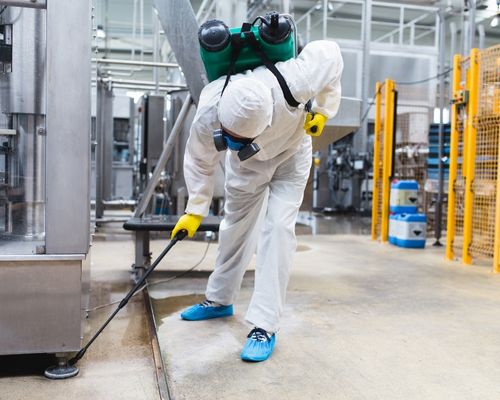
Years of Pest Control Expertise.
" Don't worry about Pests, we will fix it. Trust us! "
Our Services
What We Do Best
Residential Pest Control
Custom plans for single-family homes, condos, and apartments. Ants, roaches, spiders, and more — gone.
Commercial Pest Solutions
Discreet, effective protection for restaurants, offices, warehouses, and retail spaces.
Rodent Control & Exclusion
We trap, remove, and seal out rats and mice — no poison, no guesswork.
Mosquito Treatment
Yard sprays and barrier systems to reduce mosquito populations instantly.
Locations
Areas Served
Licensed & Insured Technicians
Fast Response Times
Eco-Friendly Treatment Options
Preventative Plans Available
5-Star Rated Locally
Satisfaction Guaranteed
Satisfied Customer



How We Work
We Prioritize Your Peace of Mind
From first contact to final follow-up, our mission is simple — deliver fast, effective, and stress-free pest control that puts your safety and satisfaction first.
01.
Free Inspection Your Area
We evaluate your home or business at no cost — identifying pests, entry points, and risks.
02.
Targeted Treatment & Fast Action
Our licensed technicians apply eco-safe, industry-proven treatments tailored to your pest problem.
03.
Ongoing Monitoring & Prevention
We don’t just eliminate pests — we help you keep them out for good through scheduled checkups and support.
Comprehensive Guide to Pest Control Sweetwater: Extermination, Removal, and Prevention
Pest control is an essential part of maintaining a healthy and safe environment, whether at home or in a commercial space. Understanding the various pest control services available—extermination, removal, and prevention—can help you choose the most appropriate solution for your specific needs. Each service type plays a distinct role in managing pest infestations effectively.
Extermination: The First Line of Defense
Extermination is the process of eliminating pests that have already infested a property. This method often involves targeting pests such as rodents, insects, or termites that pose an immediate threat to health, property, or food safety.
- Chemical treatments (e. g.
- Traps and baiting systems for rodents
- Heat treatment for bed bugs
- Fumigation for severe infestations
- When there is visible pest activity
- If structural damage is detected (e. g.
- In cases of rapid infestation growth
While extermination provides quick results, it is often viewed as a reactive strategy. Once pests are eradicated, follow-up measures should be taken to prevent their return.
Removal: Ethical & Humane Pest Management
Pest removal focuses on safely relocating or handling pests without immediate extermination. This method is commonly used in situations where wildlife or protected species are involved. Examples include squirrels nesting in attics or bats roosting in unused spaces.
- Live trapping
- One-way exclusion doors to prevent re-entry
- Relocation of animals to appropriate habitats
- Minimizes harm to animals
- Ensures long-term solutions by targeting the root cause of entry
Humane pest removal requires expertise and adherence to local regulations regarding wildlife management. It’s especially important when dealing with endangered species.
Prevention: A Long-Term Solution
Prevention aims at stopping infestations before they occur through proactive measures and regular maintenance. This service is essential for both residential properties and businesses.
- Key Preventive Steps: | Action | Description | |—————————-|———————————————| | Sealing Entry Points | Closing gaps around windows, doors, pipes | | Proper Food Storage | Using airtight containers | | Regular Cleaning | Eliminating food crumbs and spills | | Landscaping Adjustments | Trimming shrubs away from building exteriors |
- Installation of barriers (e. g.
- Routine inspections by professionals
- Scheduled treatments using eco-friendly repellents
Investing in prevention reduces costs over time by decreasing the likelihood of major infestations requiring costly extermination efforts.
Each pest control service—whether extermination, removal, or prevention—serves a unique purpose based on the severity and type of infestation. Combining these methods into an integrated pest management approach ensures long-lasting results while keeping your space safe and worry-free.
Your Complete Guide to Pest Control Sweetwater, FL Solutions
Pest infestations can significantly disrupt daily life and cause damage to property, health, and hygiene. Effective extermination methods are essential to eliminate pests while ensuring long-term prevention. This guide outlines the key pest extermination approaches and their applications.
Effective Pest Control in Sweetwater, FL: Top Extermination Methods
There are several methods used in pest control, each tailored to address specific types of infestations.
Chemical Extermination
- Insecticides: Used to eliminate a wide range of insects such as ants, roaches, and mosquitoes. These chemicals can be applied in liquid, gel, or powder form.
- Rodenticides: Specialized poisons designed for rodent control. These are often placed in bait stations for safety.
- Fumigation: A comprehensive method where an entire space is treated with gaseous pesticides to eliminate hidden pests like termites or bed bugs.
Biological Control
This environmentally friendly method involves introducing natural predators or pathogens to target pest populations: – Ladybugs for aphid control. – Nematodes for soil-dwelling pests. – Bacillus thuringiensis (Bt) bacteria for controlling caterpillars and larvae.
Physical Extermination
Physical extermination focuses on manual removal or mechanical barriers: – Traps: Glue traps, snap traps, and live traps are effective for rodents and other small pests.Heat Treatments: High temperatures are applied to spaces infested with bed bugs or fleas.Exclusion Methods: Sealing holes and cracks in homes prevents entry points for pests like rodents and insects.
Effective Sweetwater Pest Control Methods to Consider
Selecting the right extermination method depends on several critical factors: 1.Type of Pest: Different species require specific treatment methods (e. g. , termites vs. roaches). 2.Severity of Infestation: Smaller infestations may be resolved with localized treatments, while extensive problems might require fumigation or integrated approaches. 3.Environmental Considerations: Chemical options may not be suitable in environments with children or pets; non-toxic alternatives might be preferable. 4.Budget Constraints: While some methods like fumigation can be costly, simpler solutions such as traps may suffice for smaller problems.
Advantages & Disadvantages
| Method | Advantages | Disadvantages |
| Chemical Extermination | Fast results; highly effective | Potential health risks; environmental impact |
| Biological Control | Eco-friendly; sustainable | Slower results; less effective on severe infestations |
| Physical Extermination | Non-toxic; easy DIY options | Labor-intensive; limited effectiveness on large-scale issues |
Effective Results with an Exterminator Sweetwater
To achieve success during pest extermination treatments: 1. Always identify the pest species before selecting a method. 2. Follow safety guidelines when using chemicals by wearing protective gear. 3. Combine multiple methods if necessary (e. g. , chemical application followed by sealing entry points). 4. Regularly inspect your property post-treatment to monitor activity levels.
Pest extermination remains a crucial step in maintaining cleanliness and safety within homes and businesses alike. By understanding various techniques available today, it becomes easier to select an approach that aligns with specific requirements while promoting long-term protection from future invasions.
Effective Tips for Termite Control Sweetwater, FL Residents Can Rely On
Bed bug infestations can cause significant discomfort and stress in residential and commercial environments. To effectively manage and eliminate these persistent pests, a strategic approach is essential. Below are the key steps involved in successful bed bug control and eradication.
The first step to controlling bed bugs is accurately identifying their presence.
- Fecal Spots:Tiny black or dark brown stains on bedding, walls, or furniture near sleeping areas.
- Shells and Eggs:Shed skins or pearly white eggs visible in mattress seams, furniture cracks, or crevices.
Early detection allows for quicker action before the infestation spreads further.
Step 1: Declutter Affected Areas with Terminix Sweetwater, FL
Clutter provides hiding spots for bed bugs, making it harder to eliminate them.
- Remove unnecessary items from infested areas to reduce hiding places.
- Seal all belongings in plastic bags until they can be cleaned or inspected.
- Avoid moving infested items to other rooms to prevent spreading the infestation.
A clean environment simplifies treatment and minimizes reinfestation risks.
Step 2: Effective Mosquito Control in Sweetwater, FL
Cleaning plays a vital role in controlling bed bugs at home.
- Vacuuming:Use a vacuum cleaner with a HEPA filter to target mattress seams, baseboards, carpets, furniture cracks, and other hiding spots. Dispose of vacuum bags immediately afterward in sealed trash bags.
- Laundry:Wash all infested clothing, bedding, curtains, and linens at high temperatures (at least 120°F) followed by high heat drying cycles for at least 30 minutes.
- Steam Treatment:Use steam cleaners capable of reaching high temperatures (above 200°F) to kill bed bugs on contact.
Proper sanitation removes many live pests as well as eggs.
Step 3: Sweetwater Mosquito Control and Chemical Treatments
| Product Type | Description | Application Tips |
| Insecticides | Sprays and powders targeting live adult pests | Focus on cracks/crevices near sleeping areas. |
| Insect Growth Regulators (IGRs) | Products preventing nymphs from maturing into reproducing adults | Include baseboards & furniture joints. |
| Desiccants | Silica-based dusts that dehydrate pests when they come into contact | Apply thin layers carefully in wall voids. |
Always follow label instructions carefully when using pesticides indoors.
Step 4: Hire Professional Pest Control Services if Needed
- Professionals use integrated pest management strategies combining multiple approaches tailored per case severity—heat treatments being one example known highly effective against embedded colonies.
- Trained inspection ensures residual hidden clusters aren’t overlooked ensuring highest chances long-term success .
Essential Steps for Successful Bed Bug Control and Elimination
Bed bugs are among the most persistent and challenging pests to eliminate. They can infest homes, hotels, and even public transportation, causing discomfort and frustration for those affected. Proper bed bug control requires a systematic approach that eliminates the infestation while preventing its recurrence. Below are some essential steps for managing and eradicating bed bugs effectively.
Identifying a Bed Bug Infestation
The first step in successful bed bug control is correctly identifying their presence.
- Reddish or rust-colored stains on bedding caused by crushed bed bugs.
- Dark spots (fecal matter) on mattresses, walls, or furniture.
- Small white eggs or translucent nymph skins in crevices or seams.
- Red, itchy welts that often appear in clusters or straight lines on the skin.
- Bed bugs are small (about the size of an apple seed), oval-shaped insects that often hide during daylight hours.
Early detection is critical to prevent the infestation from spreading further.
Preparation for Treatment
- Remove unnecessary items such as magazines and boxes where bed bugs might hide.
- Seal these items in plastic bags if they need to be stored temporarily.
- Wash all bedding, clothing, curtains, and soft furnishings in hot water (at least 120°F).
- Dry them on high heat for at least 30 minutes to kill all life stages of the bugs.
- Focus on cracks, corners of rooms, mattress seams, upholstery fabrics, and carpet edges.
- Dispose of vacuum bags immediately by sealing them in plastic before discarding.
- Repair small openings in walls or furniture where bed bugs might escape after treatment or settle during reinfestation attempts.
Treatment Options for Bed Bug Elimination
| Treatment Method | Description |
| Professional Heat Treatments | Involves raising room temperatures above 120°F using specialized equipment to kill all life stages of bed bugs quickly. |
| Chemical Pest Control | Use of approved insecticides applied by licensed professionals around infested areas such as mattress seams and baseboards. |
| Integrated Pest Management (IPM) | Combines non-chemical measures like vacuuming with targeted pesticide use for sustainable long-term control. |
DIY solutions may work for smaller infestations but are generally less effective than professional methods due to difficulty reaching hidden areas where bed bugs thrive.
Preventing Reinfestation
- Encase mattresses and box springs with protective covers designed to trap any surviving pests.
- Regularly inspect secondhand furniture before bringing it into your home.
- Reduce clutter around sleeping areas to minimize hiding spots.
- Vacuum regularly and dispose of vacuum bags properly.
- Stay vigilant when traveling by examining hotel beds and luggage storage areas for signs of pests upon arrival.
Managing a bed bug problem requires patience and persistence but following these steps ensures effective control while reducing health risks associated with improper pest management approaches.
The Role of Professional Inspections in Proactive Pest Control Strategies
Professional inspections play a critical role in proactive pest control strategies. By identifying early signs of pest infestations and assessing risk factors, these inspections help homeowners and businesses prevent costly damage and maintain a safe, pest-free environment. Below is an overview of why professional inspections are vital and how they contribute to effective pest management.
Benefits of Professional Pest Inspections
- Trained experts can identify subtle signs of pest activity that are often overlooked by untrained individuals.
- Early identification allows for swift intervention, stopping infestations before they become severe.
- Professionals tailor pest control strategies to address specific problems based on the unique needs of your property.
- Customized plans ensure efficient use of resources while minimizing environmental impact.
- Inspections not only assess current issues but also identify vulnerabilities that could lead to future infestations.
- Recommendations may include sealing entry points, improving sanitation, or addressing moisture problems.
- Preventive measures typically cost less than eliminating full-blown infestations or repairing structural damage caused by pests such as termites or rodents.
- Pests can carry diseases or allergens that pose health risks to occupants. Inspections can mitigate these hazards by addressing sources promptly.
What Happens During a Professional Pest Inspection?
| Step | Description |
| 1 | Initial Assessment: Inspectors review the property layout and discuss known issues with the owner. |
| 2 | Exterior Inspection: The building’s exterior is examined for cracks, gaps, nests, and other potential entry points for pests. |
| 3 | Interior Survey: Inspectors check high-risk areas such as kitchens, basements, attics, and storage spaces for visible signs of infestation (e.g., droppings, gnaw marks). |
| 4 | Moisture Testing: Moisture levels are measured using specialized tools since many pests thrive in damp environments. |
| 5 | Report & Recommendations: A detailed report outlines findings with actionable suggestions for remediation or prevention measures. |
Common Areas Prone to Infestation
- Kitchens: Food sources attract ants, cockroaches, and rodents.
- Basements: Dark spaces with high humidity often house spiders and silverfish.
- Attics: Warm environments create nesting spots for rodents like mice.
- Outdoor Structures: Sheds and garages may harbor termites or wasps.
- Plumbing Areas: Leaky pipes provide water sources critical for pests like cockroaches.
Partnering with Professionals for Long-Term Success
While DIY methods may occasionally address minor issues, they rarely offer long-term solutions against persistent infestations or hidden vulnerabilities within your property’s structure. By scheduling regular professional inspections at least once a year—or more frequently in high-risk areas—you can ensure consistent monitoring and proactive intervention when needed.