
Pest Control Services Miami Lakes
Don’t let pests take over your home or business. Whether you’re dealing with ants, roaches, termites, rodents, or mosquitoes — our licensed team is ready to solve your pest problems fast and keep them from coming back.
About Us
Why Pests in Miami Lakes, FL Are a Year-Round Problem
With Florida’s warm, humid climate, pest activity never truly stops. From rainy season infestations to dry season invasions, your property is constantly at risk. Our local experts understand the patterns and know how to protect your home — inside and out.
305-506-1592
Emergency Call
Years of Pest Control Expertise.
" Don't worry about Pests, we will fix it. Trust us! "
Our Services
What We Do Best
Residential Pest Control
Custom plans for single-family homes, condos, and apartments. Ants, roaches, spiders, and more — gone.
Commercial Pest Solutions
Discreet, effective protection for restaurants, offices, warehouses, and retail spaces.
Rodent Control & Exclusion
We trap, remove, and seal out rats and mice — no poison, no guesswork.
Mosquito Treatment
Yard sprays and barrier systems to reduce mosquito populations instantly.
Locations
Areas Served
Licensed & Insured Technicians
Fast Response Times
Eco-Friendly Treatment Options
Preventative Plans Available
5-Star Rated Locally
Satisfaction Guaranteed
Satisfied Customer
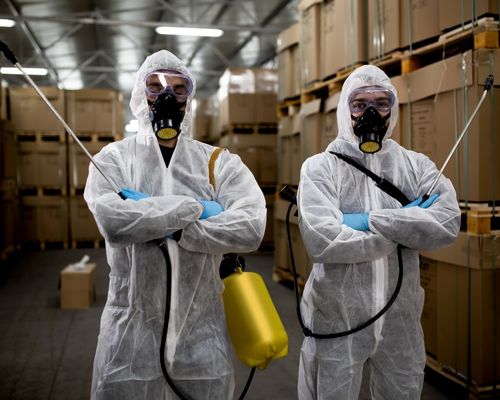



How We Work
We Prioritize Your Peace of Mind
From first contact to final follow-up, our mission is simple — deliver fast, effective, and stress-free pest control that puts your safety and satisfaction first.
01.
Free Inspection Your Area
We evaluate your home or business at no cost — identifying pests, entry points, and risks.
02.
Targeted Treatment & Fast Action
Our licensed technicians apply eco-safe, industry-proven treatments tailored to your pest problem.
03.
Ongoing Monitoring & Prevention
We don’t just eliminate pests — we help you keep them out for good through scheduled checkups and support.
Effective Pest Control in Miami Lakes, FL to Protect Your Home and Health
Pest control is a vital practice that ensures the safety of your home, your family, and your overall well-being. Pests such as rodents, insects, and other vermin can cause significant damage to properties, spread harmful diseases, and create an unhealthy living environment. Understanding how pest control works sheds light on its importance in safeguarding both our homes and our health.
Identifying the Problem
The first step in effective pest control is identifying the type of pest invasion.
– Rodents: Known for chewing through wires and woodwork, causing structural damage.
– Insects: From termites weakening wooden structures to cockroaches spreading bacteria, insects can impact both health and property.
– Wildlife: Larger pests like raccoons or squirrels may disrupt homes and even pose physical threats.
Proper identification ensures that tailored solutions can be applied to prevent further infestation.
The Role of Prevention
Prevention is one of the most critical aspects of pest control. By addressing factors that attract pests in the first place, you reduce the likelihood of infestations.
– Sealing gaps and crevices around doors, windows, and walls to block entry points for pests.
– Storing food in airtight containers to prevent attracting rodents or insects. – Regularly cleaning areas prone to food debris such as kitchens or dining spaces. – Removing standing water around your property (a common breeding ground for mosquitoes).
By minimizing access to shelter, food sources, or breeding grounds, you create an inhospitable environment for pests.
Methods Used in Pest Control
Professionals employ various methods tailored to specific types of infestations.
| Method | Description | Example |
| Chemical | Use of pesticides or insecticides to eliminate pests effectively but safely when applied correctly. | Spraying insecticides for termites or ants. |
| Physical | Creating barriers or traps that remove pests without chemicals. | Rodent traps or exclusion nets for birds. |
| Biological | Introducing natural predators that target specific pests while being eco-friendly. | Using nematodes against soil-dwelling grubs. |
A combination of these methods might be applied depending on the severity and type of infestation.
Protecting Your Health Through Pest Control
Beyond protecting property from damage, pest control plays a significant role in maintaining health by:
1. Preventing diseases spread by pests such as Lyme disease (ticks), salmonella (rodents), or E. coli (cockroaches).
2. Controlling allergens caused by pest droppings or shed skin from insects like dust mites. 3. Reducing mental stress caused by infestations—a clean home promotes peace of mind.
Monitoring & Maintenance
Pest management doesn’t end after treatment; ongoing monitoring is essential: – Schedule regular inspections with professionals. – Use preventative techniques like installing screens on windows. – Stay vigilant—early detection prevents small issues from escalating into costly infestations.
Effective pest control protects not just your property but also creates a healthier living environment free from risks posed by unwanted invaders like rodents or insects.
Effective Miami Lakes Pest Control Methods to Eliminate Harmful Pests
Pest control is a critical aspect of maintaining a safe, healthy, and comfortable living environment. Harmful pests such as rodents, insects, and other invasive organisms can damage property, spread diseases, and impact overall well-being. Fortunately, modern pest control methods provide effective solutions to eliminate or reduce these threats. Below is an overview of key approaches to pest management.
Key Strategies for Effective Pest Control
- Prevention
Prevention is the first line of defense against pests. - Regularly clean areas that may attract pests, such as kitchens and basements.
- Chemical Treatments
Chemical pest control uses specially formulated products to target specific pests: - Insecticides: Effective against ants, cockroaches, termites, and other insects.
- Rodenticides: Used to manage rodent populations like rats and mice.
- Always follow safety guidelines when applying chemicals to ensure they don’t harm humans or pets.
- Physical Methods
Physical solutions involve non-chemical approaches aimed at trapping or excluding pests: - Use traps (e. g. , snap traps for rodents or sticky traps for insects).
- Install barriers like mesh screens on windows or weather-stripping on doors to block entry points.
- Manual removal techniques such as vacuuming bed bugs or spider webs.
- Biological Controls
Biological pest control leverages natural predators or pathogens to manage pest populations: - Introduce beneficial insects like ladybugs or nematodes that prey on harmful species.
- Use microbial agents (e. g. , Bacillus thuringiensis) to combat specific insect larvae without harming non-target organisms.
Pros and Cons of Common Pest Control Methods
| Method | Pros | Cons |
| Prevention | Safe and cost-effective | Requires consistent effort |
| Chemical Treatments | Quick results | Potential health/environmental risks |
| Physical Solutions | Eco-friendly; avoids chemical use | May be labor-intensive |
| Biological Controls | Sustainable; targets specific pests | Slower results; limited applicability |
Integrated Pest Management (IPM) Approach
Integrated Pest Management (IPM) combines multiple strategies into a comprehensive plan for long-term pest control with minimal environmental impact.
– Monitoring pest activity regularly through inspections.
– Identifying the type of pest accurately before determining treatment options.
– Employing a combination of prevention measures alongside targeted chemical/physical interventions when needed.
By adopting IPM techniques tailored to your specific situation, you can achieve effective control while ensuring safety for your family and pets.
Effective pest management requires a balance between prevention efforts and treatment methods tailored to the specific situation at hand. Whether through chemical solutions or eco-friendly alternatives like physical barriers and biological controls, addressing infestations promptly helps protect both your home and health over the long term.
Effective Rodent Control in Miami Lakes, FL: Comparing Chemical and Physical Solutions
Pest control plays a crucial role in safeguarding homes, businesses, and public spaces from harmful and destructive pests. Among the most commonly used approaches to pest management are chemical and physical solutions. Each method comes with its advantages, limitations, and best-use scenarios. Understanding these differences can help you make informed decisions when addressing pest infestations.
Chemical Pest Control Solutions
Chemical pest control involves the use of pesticides or other chemical substances to eliminate or deter pests. This method is widely used due to its efficiency in managing large-scale infestations and its ability to target specific pests.
Key Features of Chemical Pest Control: – Targeted Action:Pesticides can be designed to address specific pest problems, such as insecticides for bugs or rodenticides for rats.Quick Results:When applied correctly, chemicals often provide immediate and noticeable results.Variety of Applications:Chemicals are available in different forms, including sprays, baits, powders, and granules.
Common Types of Chemical Pest Control: | Type of Pesticide | Target Pest | Usage Example | |——————–|————-|——————————–| | Insecticides | Insects | Spraying for cockroach control | | Herbicides | Weeds | Weed removal in gardens | | Rodenticides | Rodents | Rat bait stations |
Considerations for Using Chemicals:– Chemicals may pose risks to non-target species (pets or beneficial insects like bees). – Overuse can lead to pesticide resistance among certain pests. – Proper storage and application are vital to ensure safety for humans and the environment.
To mitigate these risks, professionals often adhere to Integrated Pest Management (IPM) practices that combine chemical methods with other strategies as part of a comprehensive plan.
Physical Pest Control Solutions
Physical pest control relies on manual efforts or mechanical devices to either repel or remove pests from an area. This method is more environmentally friendly than chemical solutions but may require more hands-on involvement.
Examples of Physical Pest Control Methods:1.Traps:Glue traps for small insects or snap traps for rodents. 2.Barriers:Installing screens on windows or sealing cracks around doors can help block entry points. 3.Manual Removal:This includes physically removing visible nests (such as wasp nests) or debris where pests thrive. 4.Ultrasonic Repellents:Devices emitting high-frequency sound waves that deter animals like rodents without harming them.
Benefits of Physical Solutions:– Environmentally safe with no use of toxic chemicals. – Often cost-effective over time when installed strategically. – Minimizes long-term health concerns associated with pesticide exposure.
Challenges Associated with Physical Methods:– May not be effective against widespread infestations requiring immediate action. – Some methods require continuous maintenance (e. g. , checking traps regularly).
Choosing Between Chemical and Physical Methods
Factors to Consider:1. The severity of the infestation – Larger infestations may require chemical intervention initially. 2. The type of pest – Some pests respond better to one method over another (e. g. , bed bugs often require heat treatments versus sprays alone). 3. Environmental concerns – Homes aiming for eco-friendliness might prioritize non-toxic physical solutions first.
For optimal results, combining both approaches under an Integrated Pest Management strategy often yields better long-term outcomes while minimizing negative impacts on health and the environment.
How Pest Control Miami Lakes, FL Helps Protect Your Food, Property, and Well-Being
Pest control plays a critical role in maintaining the health and safety of your home. Without proper pest management, your property, food supply, and overall well-being could be at significant risk. Below, we’ll explore key reasons why pest control is essential for preserving these three important areas of your life.
Protect Your Food Supply with an Exterminator Miami Lakes
Pests such as rodents, cockroaches, ants, and other insects are notorious for contaminating food sources. These pests not only consume food but also spread harmful bacteria and pathogens that can lead to illnesses such as salmonella or E. coli infections.
- Prevention of Contamination: Routine pest inspections and treatments minimize the risk of pests infiltrating pantries or storage areas where food is kept.
- Reducing Waste: By controlling infestations early on, you avoid spoiled or contaminated food that would otherwise need to be discarded.
- Eliminating Bacteria Spread: Pest droppings in kitchens or food preparation locations can harbor disease-causing microorganisms. Preventative measures help maintain hygiene.
Effective Termite Control in Miami Lakes, FL to Safeguard Your Property
Many pests are capable of causing structural damage to homes and buildings if left unchecked.
- Termites: These insects feed on wood, often leading to costly repairs when they compromise support beams or furniture.
- Rodents: Mice and rats can chew through electrical wiring, creating fire hazards or costly fixes.
- Carpenter Ants: Unlike termites, carpenter ants don’t eat wood but burrow into it for nesting purposes, weakening structures over time.
Regular pest control efforts help homeowners detect these problems early and implement solutions before significant damage occurs.
| Pest Type | Common Damage Caused | Recommended Control Measure |
| Termites | Weakening of wooden structures | Professional fumigation services |
| Rodents | Chewing wires/holes in walls | Traps combined with exclusion efforts |
| Carpenter Ants | Nesting inside wooden furniture | Bait systems to eliminate colonies |
Ensuring Health and Well-Being with a Miami Lakes Exterminator
Pests don’t just endanger physical property—they also present serious health risks to humans.
- Allergies and Respiratory Issues: Cockroach droppings or dust from their shed exoskeletons can trigger asthma attacks or allergies.
- Vector-Borne Diseases: Mosquitoes spread illnesses like dengue fever or malaria; ticks bring Lyme disease into homes via pets.
- Stress Factors: Persistent infestations cause frustration and anxiety among homeowners.
By implementing an effective pest management plan that includes regular inspections and safe pesticide applications when necessary, you reduce exposure to these risks while creating a more comfortable living environment.
Final Thoughts on Terminix Miami Lakes, FL
Whether it’s protecting your pantry from contamination or safeguarding your home’s structural integrity, proactive pest control ensures a healthier living space while minimizing financial losses. Employing professional pest management services alongside DIY preventative practices like sealing cracks or maintaining cleanliness is an investment in both tangible assets—like food—and intangible aspects such as peace of mind.
Effective Pest Control Miami Lakes: Safely Manage Rodents and Insects
Pests such as rodents and insects can pose serious threats to both your property and your health. Managing these intruders requires a combination of strategies designed to effectively eliminate them while minimizing risks to people, pets, and the environment. Below is a detailed guide on how to safely and effectively control rodents and insects in your home or workspace.
Effective Mosquito Control in Miami Lakes, FL: Tips and Strategies
The first step in pest management is identifying the type of pest you are dealing with.
- Rodents: Mice, rats, squirrels
- Insects: Ants, cockroaches, termites, bed bugs
- Stored Product Pests: Grain beetles, weevils
- Other Pests: Spiders, flies
Understanding the specific habits and behaviors of these species will help you choose an appropriate control method.
Effective Miami Lakes Mosquito Control and Prevention Methods
Rodents such as mice and rats can multiply quickly if left unchecked.
- Snap traps are effective for small infestations.
- Use bait stations that securely hold poison bait inaccessible to children or pets.
- Use steel wool or caulking material to seal holes larger than ¼ inch (the size rodents can squeeze through).
- Inspect areas around doors, vents, pipes, and windows for potential entry points.
- Keep food sealed in airtight containers.
- Clean up crumbs or food debris regularly.
- Dispose of garbage promptly using tightly sealed bins.
Effective Strategies for Managing Insect Infestations
Chemical Methods
- Use insecticides specifically labeled for the target pest.
- Apply sprays or powders in cracks, crevices, and areas where insects hide. Always follow manufacturer instructions.
- Employ bait systems for certain pests like ants or cockroaches.
Non-Chemical Solutions
- Install fine-mesh screens on windows and doors.
- Use weather stripping around entry points.
- Essential oils like peppermint oil can repel certain pests such as spiders and ants.
- Diatomaceous earth provides a natural barrier that kills crawling insects on contact.
Hygiene Practices
Maintaining cleanliness is crucial in preventing insect infestations: | Area | Recommended Action | |—————–|————————————————–| | Kitchen | Clean spills immediately; keep counters sanitized| | Bathrooms | Keep drains unclogged; repair leaky faucets | | Storage Areas | Check cardboard boxes for signs of pests |
Integrated Pest Management (IPM) Approach
Integrated Pest Management (IPM) combines various methods with minimal reliance on chemical pesticides to manage pest populations effectively while protecting health and the environment.
Key principles include: – Regular monitoring of pest activity – Using traps before resorting to chemicals – Applying pesticides as a last resort following careful assessment
Adopting IPM practices not only reduces risks but also ensures long-term prevention by addressing root causes rather than treating symptoms.
By following a combination of these safe practices tailored to individual circumstances, homeowners can effectively control rodents and insects without compromising safety or well-being while ensuring long-term prevention measures are implemented effectively.